
Complete Tour du Mont Blanc
Complete Tour du Mont Blanc
Price to be announced
International flights not included
Have a question about this trip?
Price to be announced
What awaits you
Tour du Mont Blanc (TMB)
The Tour du Mont Blanc (TMB for short) is unanimously regarded by keen hikers as a world-class hiking route to take on at least once in a lifetime, on which you walk across the borders of three countries, France, Switzerland and Italy, and soak up the rich atmosphere of modern mountain culture's birthplace.
In full, the Tour du Mont Blanc is 170 kilometres long and can be walked in either of two directions, clockwise or anticlockwise, with 5–8 hours of walking a day at altitudes between 1,000 and 2,700 metres; the whole circuit takes about 10–12 days.
Our design
Every step is where achievement begins!
For those of you ready to turn a goal into footsteps, we have designed the anticlockwise 11-day Complete Tour du Mont Blanc challenge: about 130 kilometres through France, Switzerland and Italy, linking snowy ridges, glaciers and pastures, one step after another, into a single complete route.
Anticlockwise route | Counter-clockwise × Flow
Setting out from Les Houches and following the classic direction of the TMB southwards: the first day follows the UTMB course down to Saint-Gervais; the Col du Bonhomme and the Col de la Seigne lead into Italy, the Col du Grand Ferret into Switzerland and the Col de Balme back into France, before the finale at Lac Blanc, letting valley, pass and ridge unfold layer by layer.
Progressive challenge | Pace × Challenge
The difficulty rises step by step, from gentle to demanding, from valley to ridge; each day has a clear goal and a manageable climb, so you can push yourself and still keep something in reserve, and arrive steadily at every finish.
Travelling light | Bags × Legs
Your duffel bag is carried by luggage transfer throughout, and you carry only what the day requires. Leave the weight to logistics and keep your attention for your stride, your breathing and the scenery – to walk far, and to walk well.
Safely escorted | Guide × Safety
A professional guide keeps control of trail conditions and pace, adjusting flexibly to the weather windows. Resupply and exit points are clearly identified and available – a challenge without the risk-taking.
This is the Complete Tour du Mont Blanc challenge: one continuous loop of mountain trail on which you see a more complete landscape, and meet a steadier version of yourself.
Challenge yourself, scenery at its finest
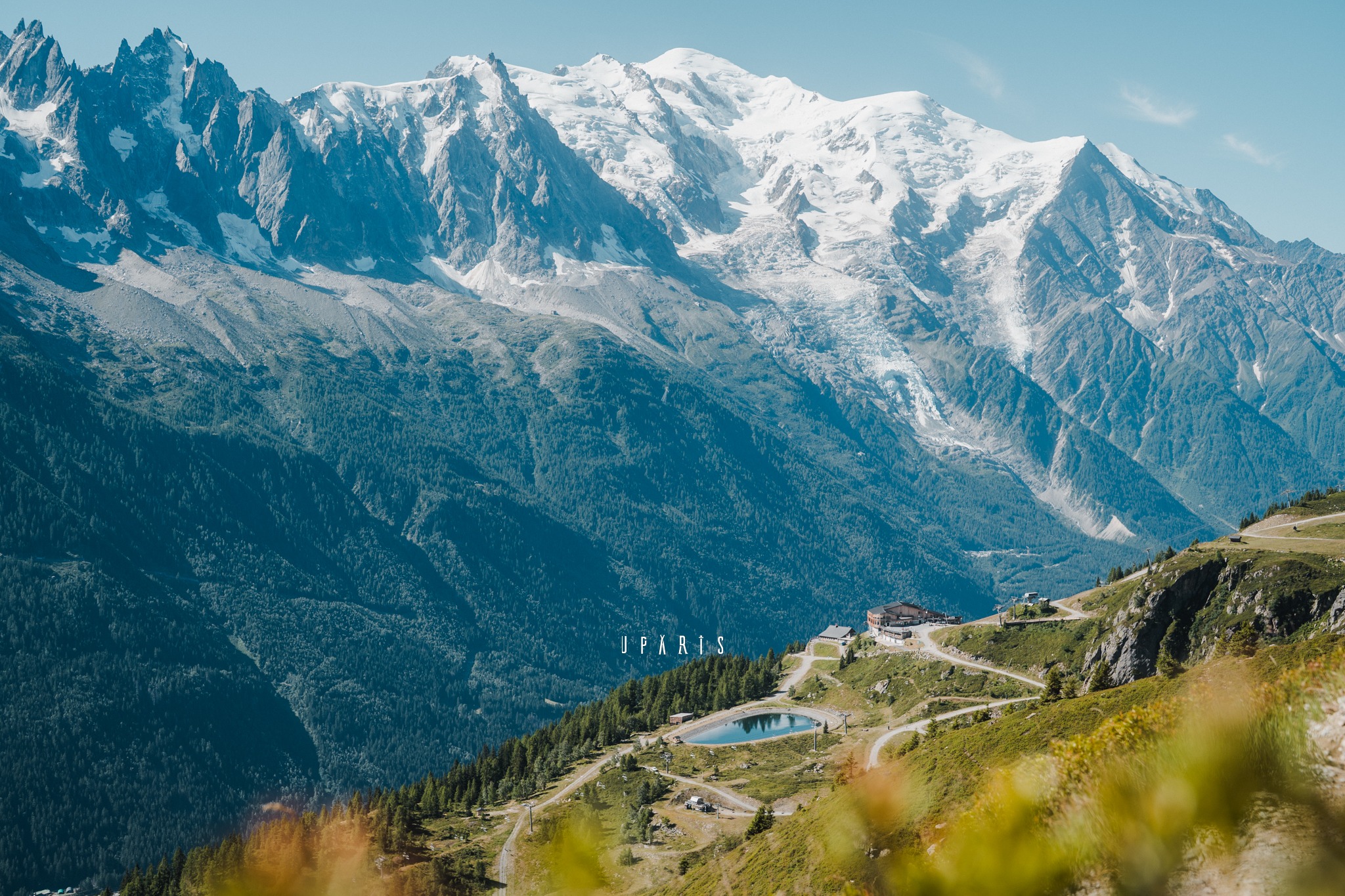
This classic, world-class trek is a pilgrimage on foot to Mont Blanc, the roof of Western Europe (alt. 4808m).
With a highest point of about 2,500 metres on the hiking sections and a relatively low risk of altitude sickness, you walk across the borders of France, Switzerland and Italy, visiting glaciers thousands of years old, alpine pastures and valley villages ringed by snowy peaks, immersed in the purest and most breathtaking natural scenery of the Alps.
Most people need only 2–3 months of physical preparation to set out boldly on this legendary route. Complete this trek and it will be one of the journeys of your life, filled with a sense of achievement.
Selected accommodation, immersive hiking with a light pack
Walking around Mont Blanc is not just a route across France | Switzerland | Italy but a journey through the valley towns and mountain life of the Alps: snowy ridges and meadows outside your window in the morning, and in the evening a place to settle between village streets and mountain huts.
The accommodation we have selected: 9 nights in double rooms in hotels and 1 night in a 4-bed room in a mountain hut in Vallorcine; breakfast every day and 3 dinners (D6, D8, D9); two nights in a row in both Courmayeur and Orsières.
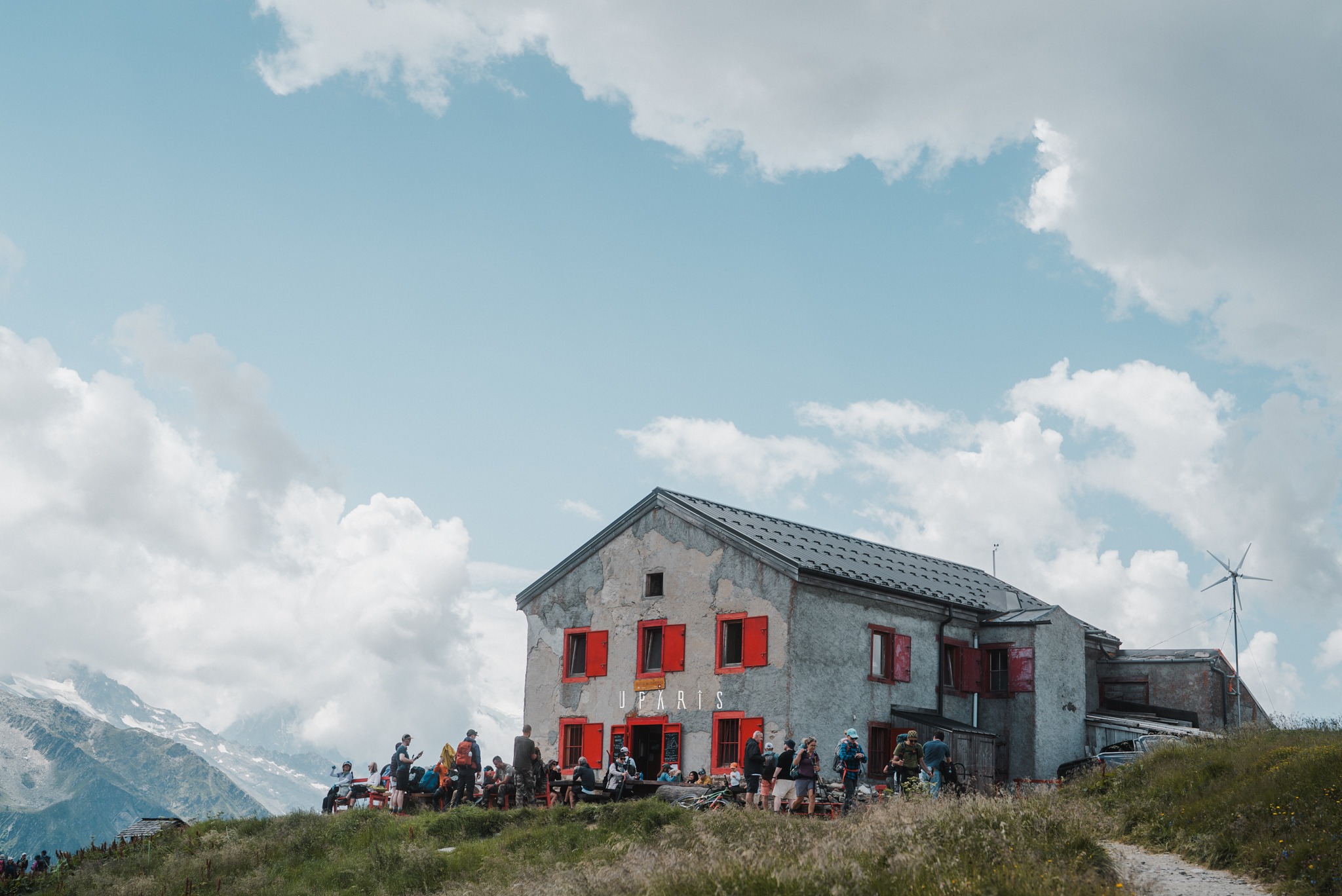
The hotels take care of privacy and recovery, a good night's sleep making for a steadier step; the hut offers local character and immersion: sitting around the table, resting among the peaks, you turn "seeing the mountains and sleeping in the mountains" into a real experience.
Hiking with a light pack
So that you can concentrate on walking and enjoying the scenery, free of any unnecessary load, we provide a luggage transfer for your duffel bag throughout the trek.
All you have to do is set off light, carrying the essentials for the day's walk, and enjoy in-depth trekking in all its purity and freedom.
A professional local team, quality service
Carefully put together by a local Chinese-French team with more than ten years' experience of organising the Tour du Mont Blanc.
Before you set off, our Chinese-speaking customer service team will give you the most accurate and comprehensive up-to-date information on trekking around Mont Blanc, so that your adventure runs smoothly.
Our French guides are highly experienced and have for many years specialised in leading Chinese hikers around Mont Blanc. They have a thorough knowledge of the natural environment, climate, geography, vegetation and wildlife of the Alps, and will lead you to a deep appreciation of the unique beauty of these mountains.
During the trek, your guide will show you how to use your hiking gear correctly and how to pace your breathing, and after the walk will share effective stretching methods to help prevent injury, so that your trek is safe, comfortable and enjoyable.
Travel with interesting companions
We keep away from the conventional mass tourism model and refuse whistle-stop sightseeing, where you sleep on the coach and get off to take photos. We firmly believe that the journey is a meeting of minds, a profound experience.
On this 11-day trek, companions from all corners of the world gather at the foot of Mont Blanc to set out together on mountain paths that no high heels could ever reach, to breathe a fresh air hard to find in the city, and to bask in the breeze that moves freely through nature.
As you walk through the vast mountain landscape and talk from the heart under the stars at night, every step writes a precious memory.
Good to know
Chamonix
Set where France, Italy and Switzerland meet, it is a renowned ski resort in winter and a gathering place for mountaineers in summer. For two and a half centuries Chamonix has done its utmost to welcome adventurers from all over the world, and has become a true paradise for outdoor sports enthusiasts.
Mont Blanc
Mont Blanc, whose French name translates literally as "white peak", is the principal summit of the Alps and the highest peak in Western Europe, at 4,808 m.
388 of them from UPARIS's official RedNote account See the post ›
蓝色海洋
October 7, 2026
Automatically translated from Chinese
The tour leader was attentive and responsible, the accommodation and meals were great, thanks to UPARIS for the thoughtful arrangements
山野来客
October 3, 2026
Automatically translated from Chinese
The itinerary was very well organized
Terence
October 3, 2026
Automatically translated from Chinese
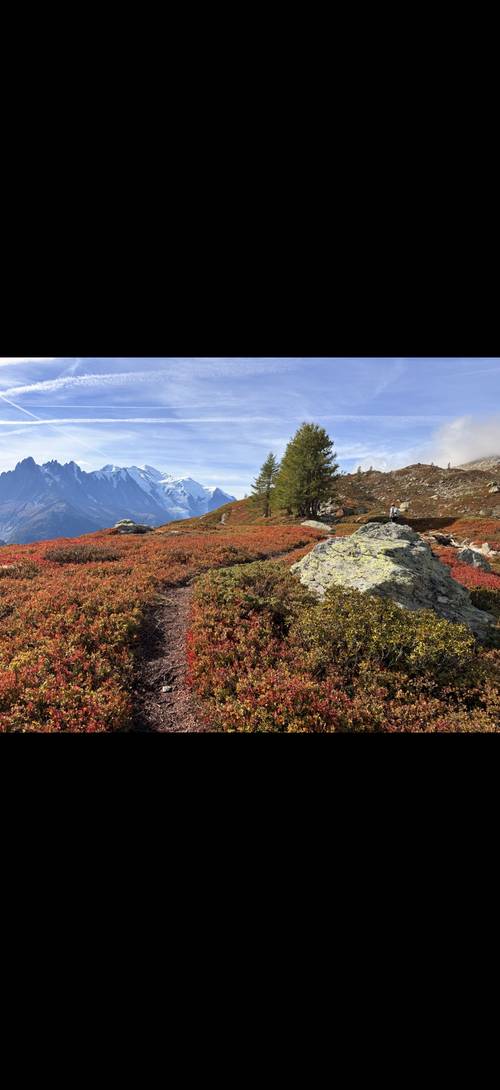
From the planning to the trip itself, everything was handled with great care. Both customer service and our tour leader did their very best to solve any problem we had, giving us a trip that was close to perfect. The hiking is moderately challenging and takes some endurance, but the views along the way are endless and there's plenty of laughter — every step was worth it!
山野来客
October 3, 2026
Automatically translated from Chinese
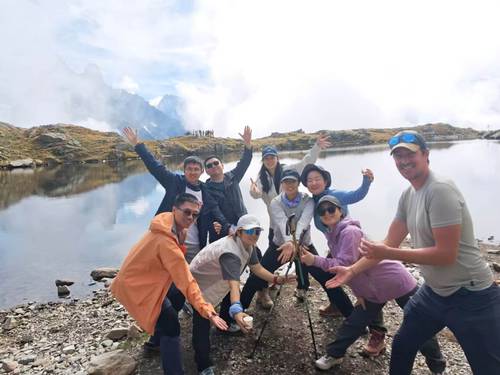
The guide was conscientious, caring and truly outstanding, the accommodation was well arranged and everything flowed seamlessly. A really worthwhile hiking trip. I hope you'll develop more routes in the future.
Nora
September 28, 2026
Automatically translated from Chinese
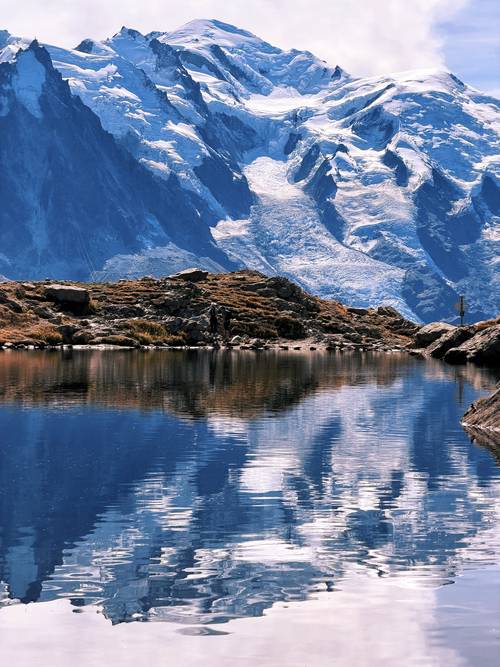
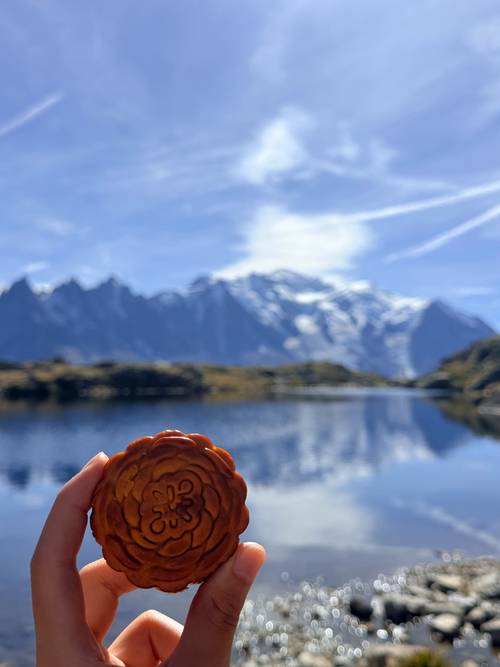
A great experience. Our leader Luis was very professional, set the perfect hiking pace and looked after everyone in the group; it turned out much easier than I expected. It happened to be the Mid-Autumn Festival, and the staff thoughtfully prepared mooncakes for us. Early autumn in the Alps is stunning: good weather all week and few people around. The only pity is that we didn't get to see Lac Blanc.
山野来客
September 28, 2026
Automatically translated from Chinese
Well planned, a really great experience👌🏻
Cheryl
September 28, 2026
Automatically translated from Chinese
Our guide Luis was very professional and caring, the hotels throughout the trip were all great, and it was a fantastic experience. The difficulty is moderate and suits most people: you get the scenery of the best sections, plus climbs and descents that are both fun and challenging. I'll be recommending it to my friends ((*^∀^))👍
AliceJ
September 27, 2026
Automatically translated from Chinese
The tour leader was very professional, patient and funny. Great choice of hotels, especially in Chamonix and Courmayeur, where they were really conveniently located and pretty decent too. The small group was just the right size, not too big and not too small, and well organized. The itinerary was well planned.
Sylvia
September 15, 2026
Automatically translated from Chinese
Before: so worried! After: so happy! The stunning scenery all along the way, the thorough organisation, the friendly teammates, and our witty guide Julien with his bottomless knowledge all made this trip so wonderful!
蓝色海洋
October 7, 2026
Automatically translated from Chinese
The tour leader was attentive and responsible, the accommodation and meals were great, thanks to UPARIS for the thoughtful arrangements
山野来客
October 3, 2026
Automatically translated from Chinese
The itinerary was very well organized
Terence
October 3, 2026
Automatically translated from Chinese
From the planning to the trip itself, everything was handled with great care. Both customer service and our tour leader did their very best to solve any problem we had, giving us a trip that was close to perfect. The hiking is moderately challenging and takes some endurance, but the views along the way are endless and there's plenty of laughter — every step was worth it!
山野来客
October 3, 2026
Automatically translated from Chinese
The guide was conscientious, caring and truly outstanding, the accommodation was well arranged and everything flowed seamlessly. A really worthwhile hiking trip. I hope you'll develop more routes in the future.
Nora
September 28, 2026
Automatically translated from Chinese
A great experience. Our leader Luis was very professional, set the perfect hiking pace and looked after everyone in the group; it turned out much easier than I expected. It happened to be the Mid-Autumn Festival, and the staff thoughtfully prepared mooncakes for us. Early autumn in the Alps is stunning: good weather all week and few people around. The only pity is that we didn't get to see Lac Blanc.
山野来客
September 28, 2026
Automatically translated from Chinese
Well planned, a really great experience👌🏻
Cheryl
September 28, 2026
Automatically translated from Chinese
Our guide Luis was very professional and caring, the hotels throughout the trip were all great, and it was a fantastic experience. The difficulty is moderate and suits most people: you get the scenery of the best sections, plus climbs and descents that are both fun and challenging. I'll be recommending it to my friends ((*^∀^))👍
AliceJ
September 27, 2026
Automatically translated from Chinese
The tour leader was very professional, patient and funny. Great choice of hotels, especially in Chamonix and Courmayeur, where they were really conveniently located and pretty decent too. The small group was just the right size, not too big and not too small, and well organized. The itinerary was well planned.
Sylvia
September 15, 2026
Automatically translated from Chinese
Before: so worried! After: so happy! The stunning scenery all along the way, the thorough organisation, the friendly teammates, and our witty guide Julien with his bottomless knowledge all made this trip so wonderful!
No account needed. Thank you for your review: every piece of feedback helps us keep improving our routes and your experience.
Route map
The whole route at a glance
- Days11 days · 9 hiking stages
- Distanceabout 130 km
- Highest point2,537 m
- CountriesFrance · Italy · Switzerland
Professional guiding
Luggage transfer
Mountain lodging
Day by day programme
Discover each stage of your adventure
Meeting day in Les Houches
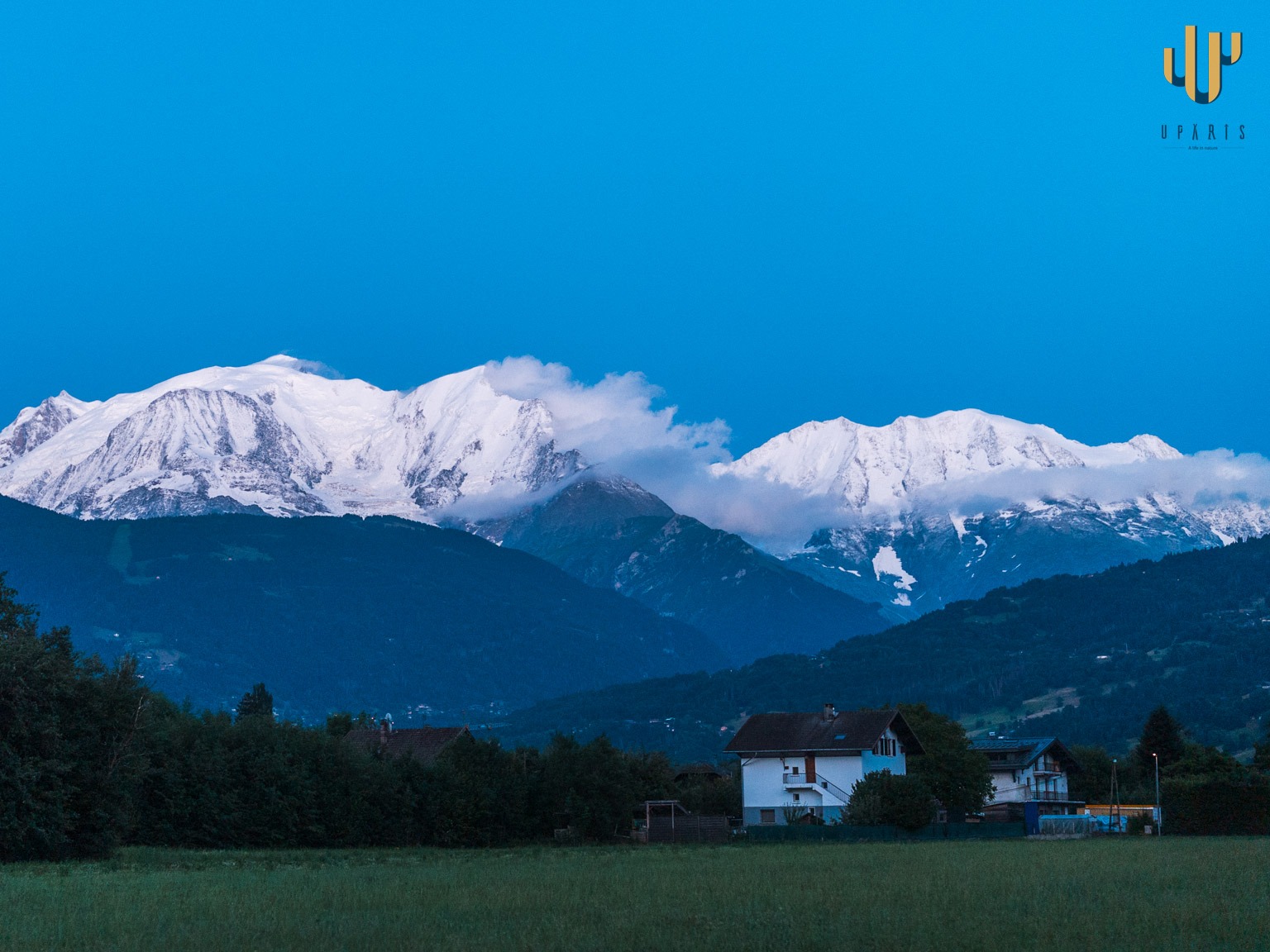
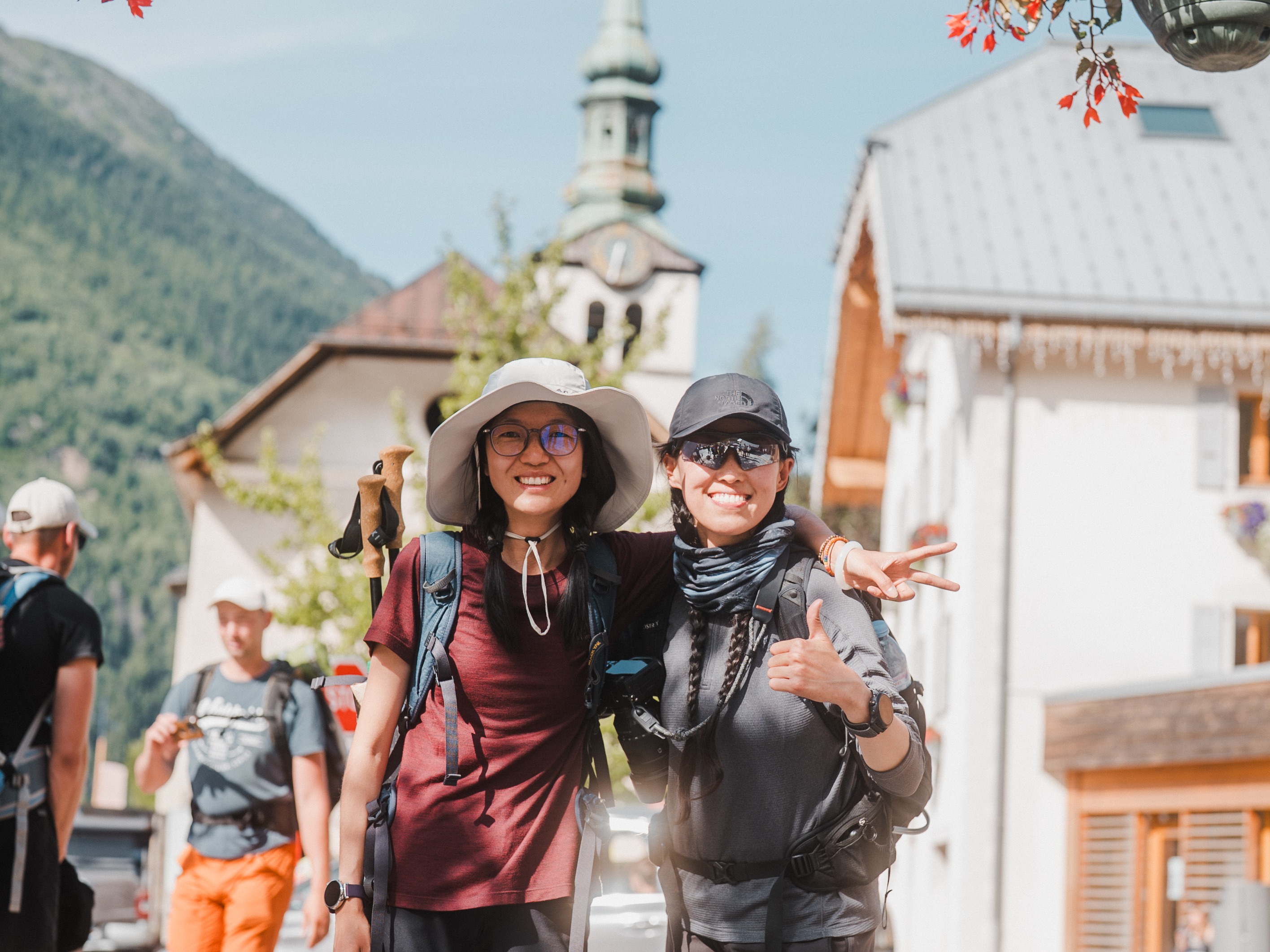
Les Houches (alt. 1011m) lies at the western end of the Chamonix valley, about 10 minutes by road from the centre of Chamonix (alt. 1035m). Chamonix is not only famed far and wide as the "birthplace of modern mountain sports"; by successfully hosting the first Winter Olympic Games in 1924 it also wrote a bold chapter in sporting history.
The English poet Shelley wrote his famous poem "Mont Blanc" about this place. With its breathtaking natural scenery and its rich variety of outdoor sports, it has become an internationally renowned destination for tourism and outdoor activities. Mountaineering, skiing, hiking and rock climbing, or extreme sports such as mountain biking, paragliding and skydiving: it is all here, whatever your passion.
The town of Chamonix is also home to a great many outdoor shops, from good-value Decathlon to top brands such as Arc'teryx, Norrøna, Mammut and Millet, which makes it the ideal place to top up and upgrade your gear before heading off to explore the Alps.
On arrival, make your own way to the hotel in Les Houches to check in and sort out your gear, ready for the trek that begins the next day.
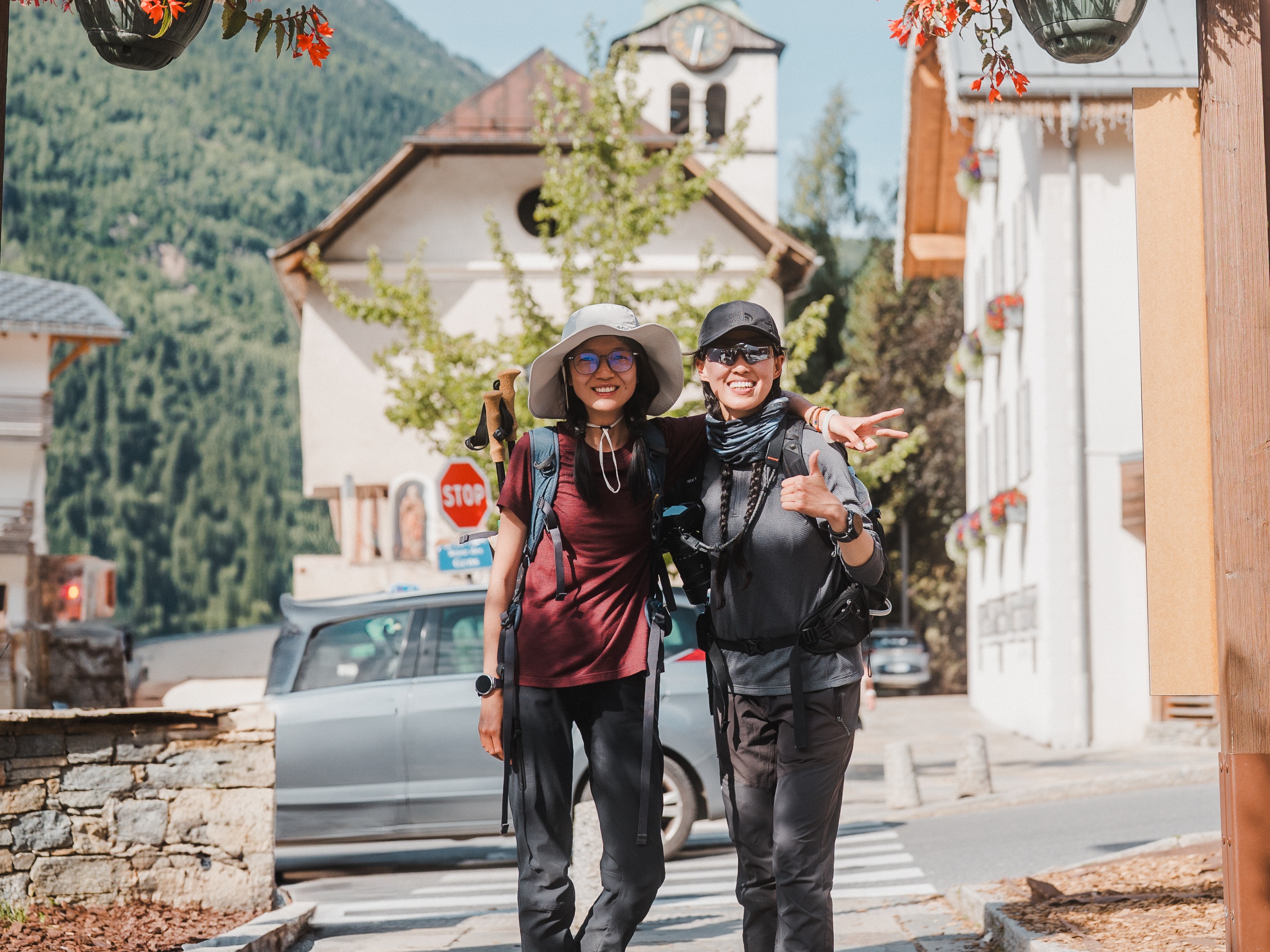
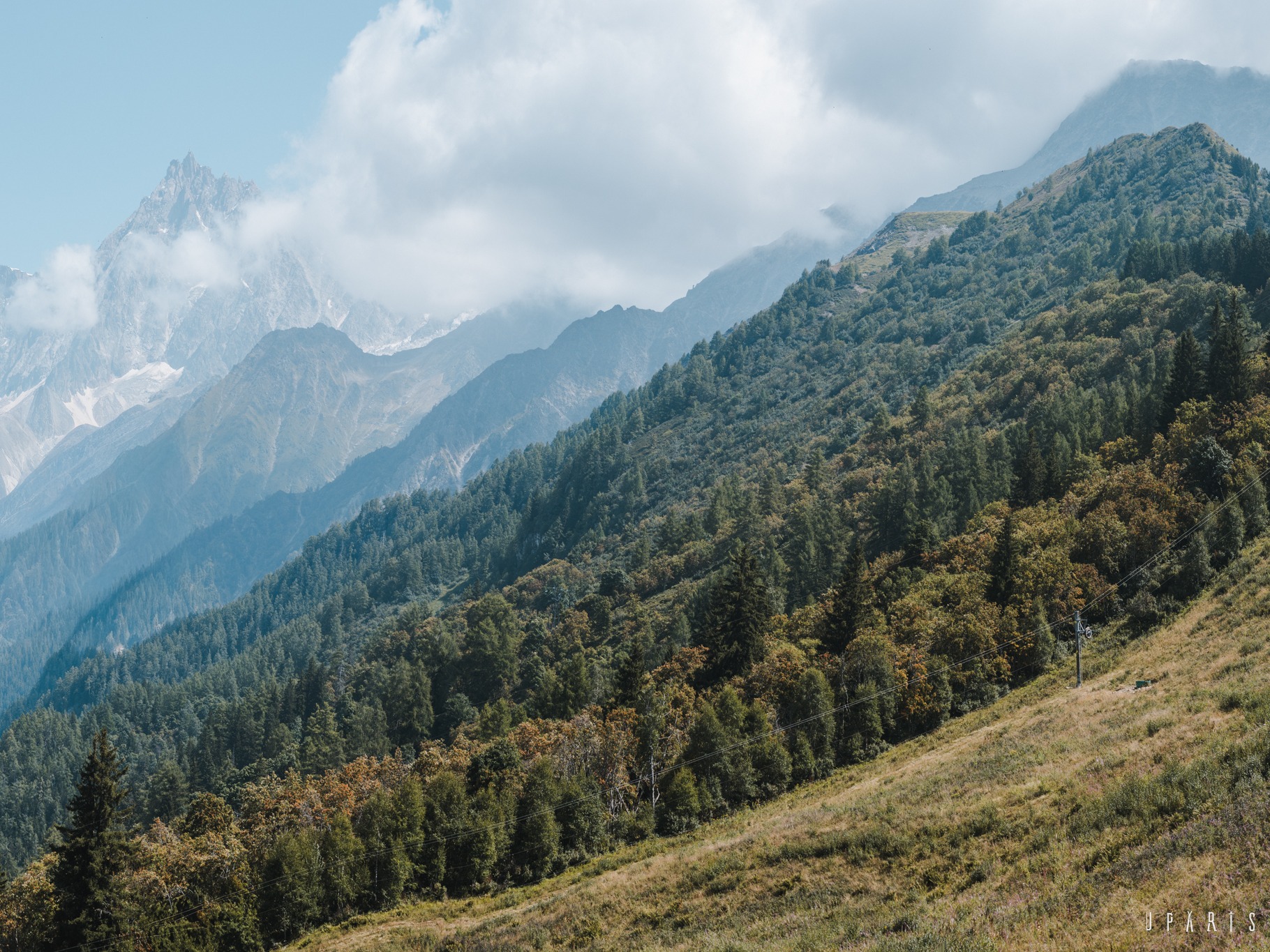
Les Houches – Le Prarion – Col de Voza – Saint-Gervais-les-Bains
After breakfast we take the Prarion gondola³ from Les Houches (alt. 1011m) up to Le Prarion (alt. 1851m), where our Tour du Mont Blanc begins.
Today's route follows the classic course of the Ultra-Trail du Mont-Blanc (UTMB) exactly. We descend gently along the ridge to the Col de Voza (alt. 1657m), a pass full of surprises where we may come across the century-old Mont Blanc Tramway: it climbs from Saint-Gervais-les-Bains-Le Fayet (alt. 580m) at the bottom of the valley all the way to the Nid d'Aigle (alt. 2372m) and, as France's highest rack railway, is a moving piece of scenery in its own right. On a clear day the Aiguille de Bionnassay (alt. 4052m) and the Glacier de Bionnassay stay in view.
We then walk down through flower meadows, lush forest and small mountain hamlets to the spa town of Saint-Gervais-les-Bains (alt. 809m), take the Ascenseur des Thermes⁶ down to Le Fayet and walk to our hotel.
Tonight the hotel provides breakfast only and dinner is at your own expense⁵: Saint-Gervais and Le Fayet have plenty of restaurants, bakeries and supermarkets, and our pre-departure information will recommend restaurants nearby.
Terrain: Ridge path + alpine meadow + forest + long descent
Les Houches – Le Prarion – Col de Voza – Saint-Gervais-les-Bains
After breakfast we take the Prarion gondola³ from Les Houches (alt. 1011m) up to Le Prarion (alt. 1851m), where our Tour du Mont Blanc begins.
Today's route follows the classic course of the Ultra-Trail du Mont-Blanc (UTMB) exactly. We descend gently along the ridge to the Col de Voza (alt. 1657m), a pass full of surprises where we may come across the century-old Mont Blanc Tramway: it climbs from Saint-Gervais-les-Bains-Le Fayet (alt. 580m) at the bottom of the valley all the way to the Nid d'Aigle (alt. 2372m) and, as France's highest rack railway, is a moving piece of scenery in its own right. On a clear day the Aiguille de Bionnassay (alt. 4052m) and the Glacier de Bionnassay stay in view.
We then walk down through flower meadows, lush forest and small mountain hamlets to the spa town of Saint-Gervais-les-Bains (alt. 809m), take the Ascenseur des Thermes⁶ down to Le Fayet and walk to our hotel.
Tonight the hotel provides breakfast only and dinner is at your own expense⁵: Saint-Gervais and Le Fayet have plenty of restaurants, bakeries and supermarkets, and our pre-departure information will recommend restaurants nearby.
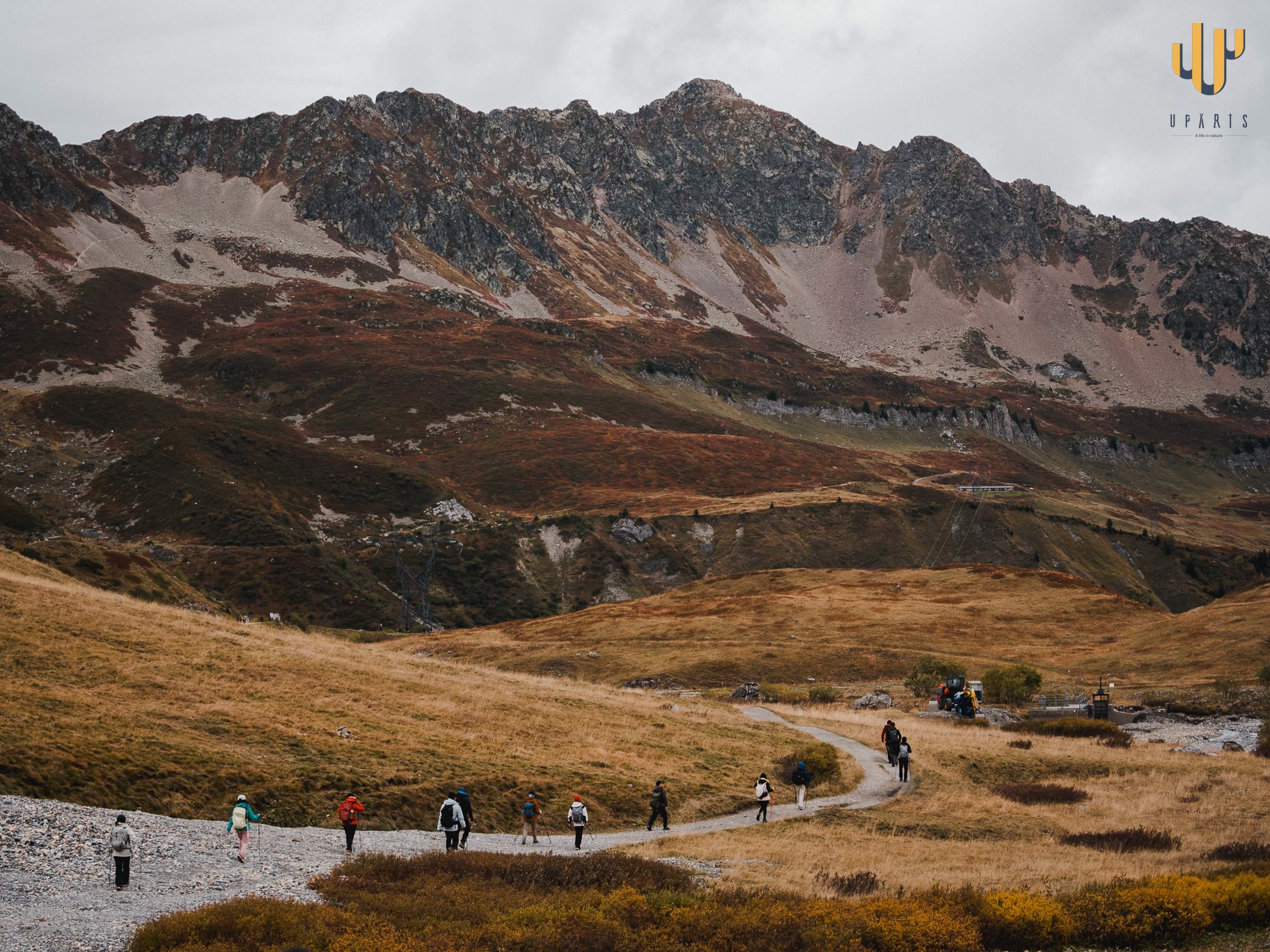
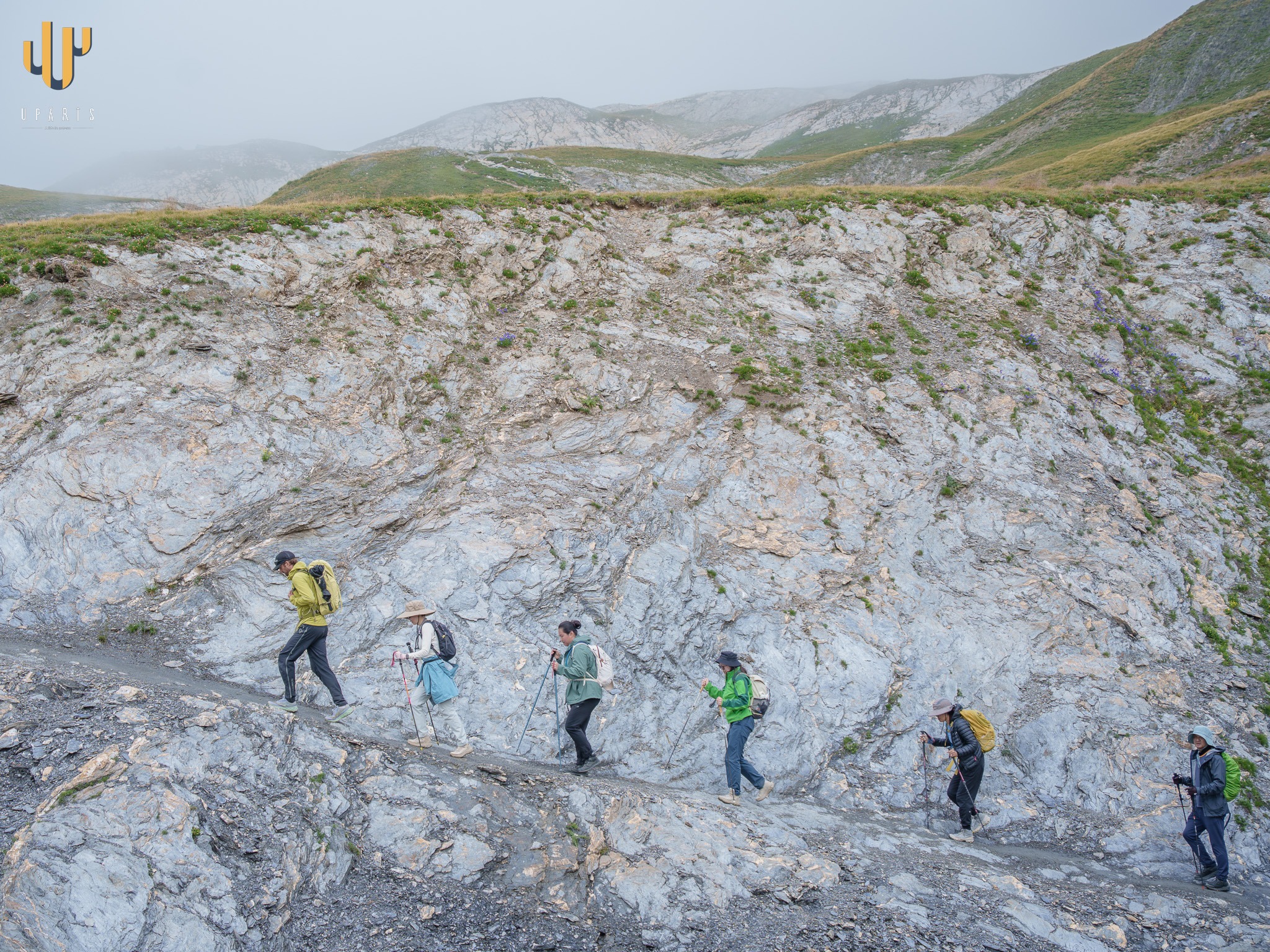
Notre-Dame de la Gorge – Col du Bonhomme – Les Chapieux
After breakfast a private transfer takes us to the baroque church of Notre-Dame de la Gorge (alt. 1210m), built in 1699 at the head of the Val Montjoie, where today's walk begins. This is the most demanding day of the whole trip.
We cross the legendary Pont Romain (alt. 1392m), an ancient route through the valley steeped in history, then pass the Refuge de Nant Borrant (alt. 1459m), more than a hundred years old, whose name means "where the spring flows" and which has sheltered countless travellers. Climbing on up the valley past the Refuge de la Balme (alt. 1706m), we are surrounded by mountains, babbling streams and waterfalls.
After lunch we reach the quiet, majestic Col du Bonhomme (alt. 2329m), then traverse to the Col de la Croix du Bonhomme (alt. 2433m), far from the noise of the city and at one with nature. We then descend all the way to the hamlet of Les Chapieux (alt. 1550m), from where a private transfer takes us to our hotel in the Bourg-Saint-Maurice (alt. 819m) area.
Terrain: Forest + steep slopes + scree + alpine meadow
Notre-Dame de la Gorge – Col du Bonhomme – Les Chapieux
After breakfast a private transfer takes us to the baroque church of Notre-Dame de la Gorge (alt. 1210m), built in 1699 at the head of the Val Montjoie, where today's walk begins. This is the most demanding day of the whole trip.
We cross the legendary Pont Romain (alt. 1392m), an ancient route through the valley steeped in history, then pass the Refuge de Nant Borrant (alt. 1459m), more than a hundred years old, whose name means "where the spring flows" and which has sheltered countless travellers. Climbing on up the valley past the Refuge de la Balme (alt. 1706m), we are surrounded by mountains, babbling streams and waterfalls.
After lunch we reach the quiet, majestic Col du Bonhomme (alt. 2329m), then traverse to the Col de la Croix du Bonhomme (alt. 2433m), far from the noise of the city and at one with nature. We then descend all the way to the hamlet of Les Chapieux (alt. 1550m), from where a private transfer takes us to our hotel in the Bourg-Saint-Maurice (alt. 819m) area.
Les Chapieux – Col de la Seigne – La Visaille
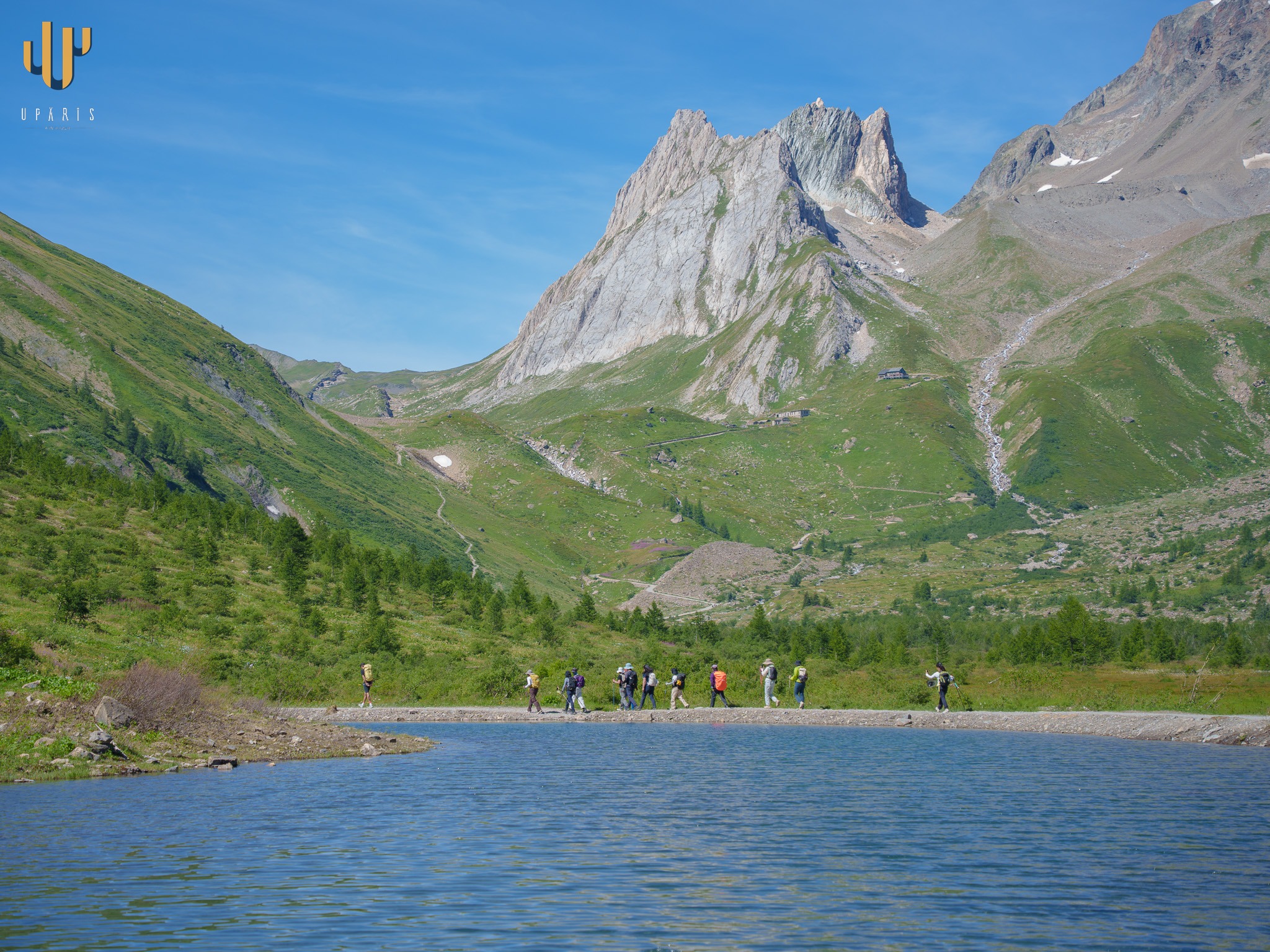
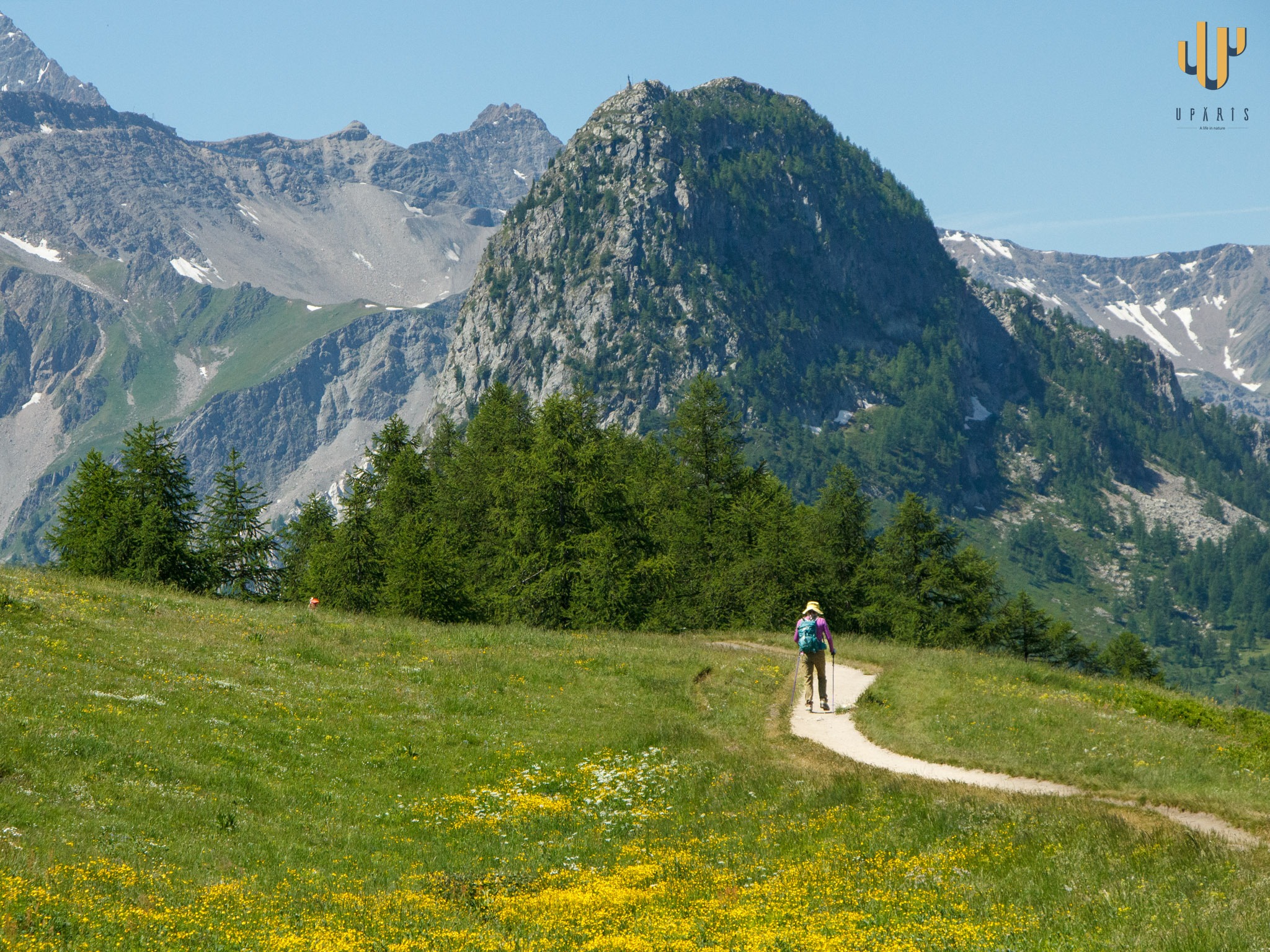
After breakfast a private transfer takes us back to Les Chapieux (alt. 1550m), and we walk along the road to La Ville des Glaciers (alt. 1789m)⁴, then begin climbing after the Refuge des Mottets (alt. 1868m).
To the whistles of marmots we finally reach the Col de la Seigne (alt. 2516m), where the first thing you see is the border stone between France and Italy. Crossing into Italy, the great glaciers and rock walls of Mont Blanc's southern side open up before us; on the crags around the pass you can still see observation posts dug by the Italian army during the Second World War, clear traces of history. On the way down we pass La Casermetta (alt. 2365m), the oldest military post on the Tour du Mont Blanc, now a small mountain museum that you can visit free of charge if it happens to be open.
We then enter the Val Veny, pass the Rifugio Elisabetta (alt. 2195m) and reach the famous Lac de Combal (alt. 1968m), whose two halves show two distinct colours: one side crystal clear, the other slightly cloudy with sediment. Today's scenery is often called among the most beautiful of the whole tour. We finish at La Visaille (alt. 1659m), from where a private transfer takes us to the charming Italian town of Courmayeur (alt. 1224m) and our hotel.
Terrain: Road + dirt track + alpine meadow + ridge path
Les Chapieux – Col de la Seigne – La Visaille
After breakfast a private transfer takes us back to Les Chapieux (alt. 1550m), and we walk along the road to La Ville des Glaciers (alt. 1789m)⁴, then begin climbing after the Refuge des Mottets (alt. 1868m).
To the whistles of marmots we finally reach the Col de la Seigne (alt. 2516m), where the first thing you see is the border stone between France and Italy. Crossing into Italy, the great glaciers and rock walls of Mont Blanc's southern side open up before us; on the crags around the pass you can still see observation posts dug by the Italian army during the Second World War, clear traces of history. On the way down we pass La Casermetta (alt. 2365m), the oldest military post on the Tour du Mont Blanc, now a small mountain museum that you can visit free of charge if it happens to be open.
We then enter the Val Veny, pass the Rifugio Elisabetta (alt. 2195m) and reach the famous Lac de Combal (alt. 1968m), whose two halves show two distinct colours: one side crystal clear, the other slightly cloudy with sediment. Today's scenery is often called among the most beautiful of the whole tour. We finish at La Visaille (alt. 1659m), from where a private transfer takes us to the charming Italian town of Courmayeur (alt. 1224m) and our hotel.
Courmayeur – Rifugio Bertone – Rifugio Bonatti – Arp Nouva
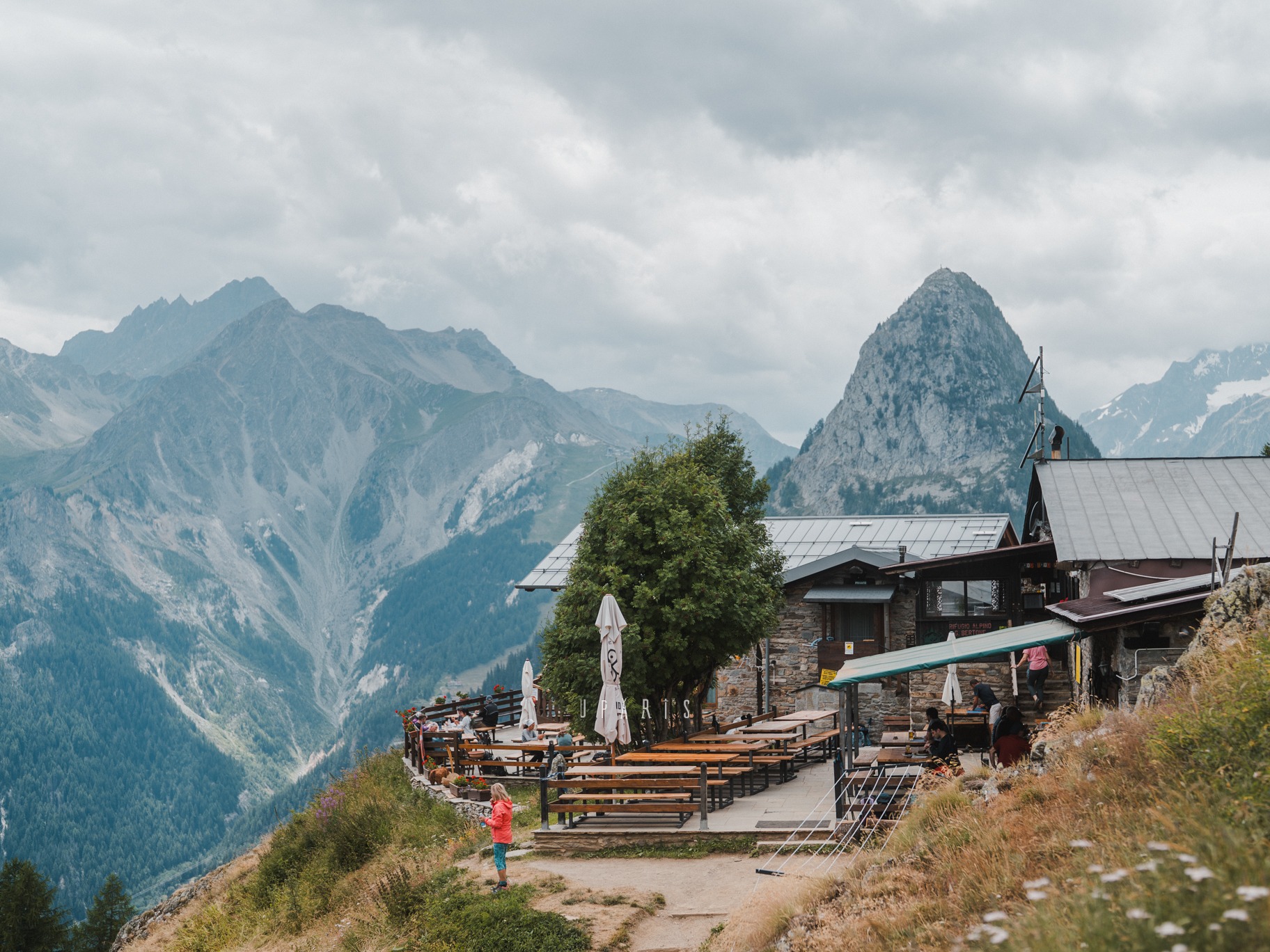
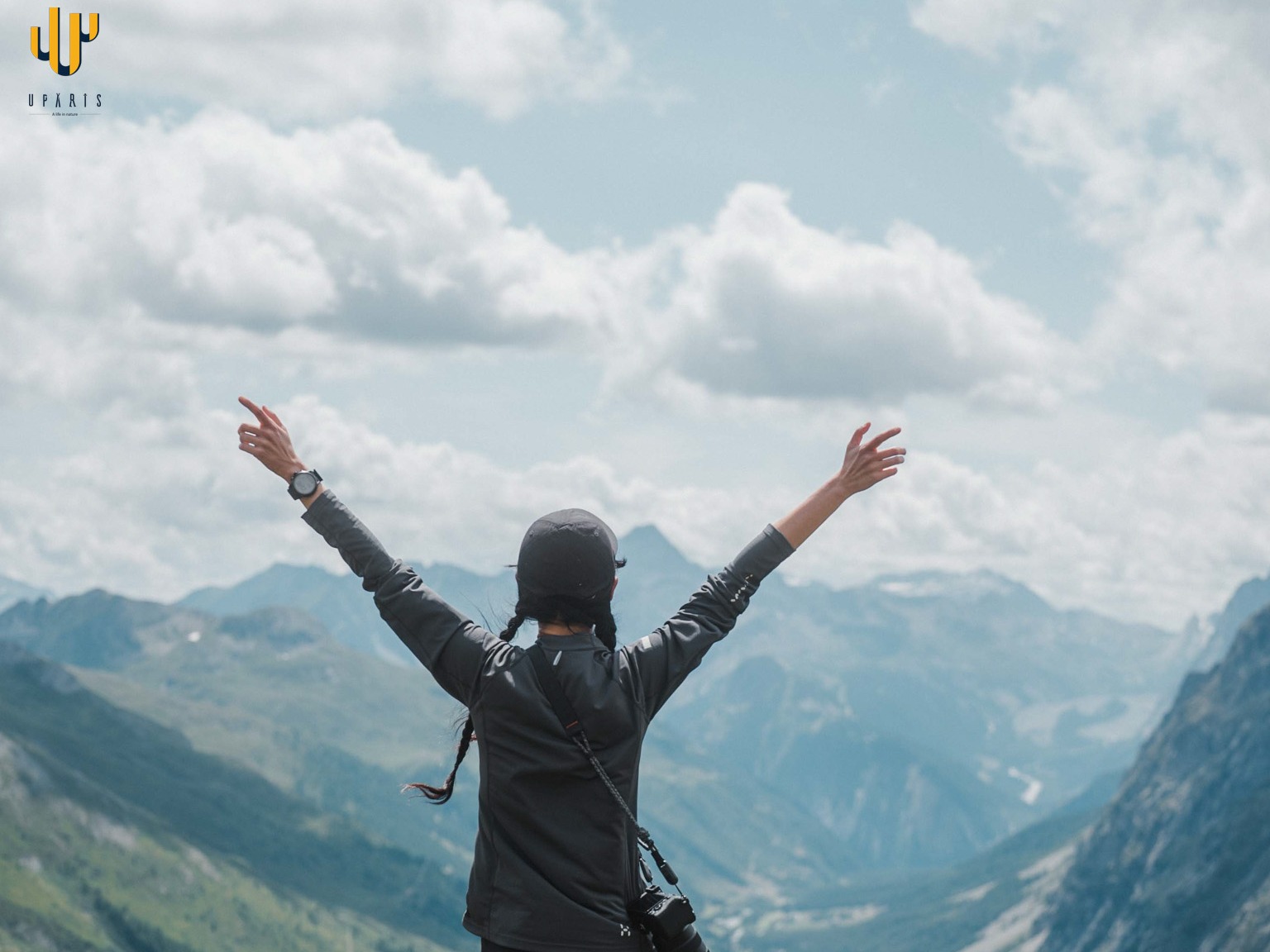
After breakfast we set off on foot straight from the town of Courmayeur (alt. 1224m) and climb through the forest to the Rifugio Bertone (alt. 1989m), with a close-up view of the other face of Mont Blanc (alt. 4808m).
We then follow the balcony path along the Mont de la Saxe, the most classic stretch of the TMB in Italy: the Grandes Jorasses (alt. 4208m) and the glaciers of the Val Ferret keep us company all the way to the Rifugio Bonatti (alt. 2025m), before we descend to Arp Nouva (alt. 1770m), from where a private transfer takes us back to Courmayeur.
If you feel tired, you can instead spend the whole day at leisure in Courmayeur: stroll through town with a gelato, or order an Italian espresso on the main square and enjoy a quiet moment facing Mont Blanc. You can also bring a swimsuit and towel and go to the thermal baths at your own expense to relax after several days of walking.
Terrain: Forest + alpine meadow + ridge path
Courmayeur – Rifugio Bertone – Rifugio Bonatti – Arp Nouva
After breakfast we set off on foot straight from the town of Courmayeur (alt. 1224m) and climb through the forest to the Rifugio Bertone (alt. 1989m), with a close-up view of the other face of Mont Blanc (alt. 4808m).
We then follow the balcony path along the Mont de la Saxe, the most classic stretch of the TMB in Italy: the Grandes Jorasses (alt. 4208m) and the glaciers of the Val Ferret keep us company all the way to the Rifugio Bonatti (alt. 2025m), before we descend to Arp Nouva (alt. 1770m), from where a private transfer takes us back to Courmayeur.
If you feel tired, you can instead spend the whole day at leisure in Courmayeur: stroll through town with a gelato, or order an Italian espresso on the main square and enjoy a quiet moment facing Mont Blanc. You can also bring a swimsuit and towel and go to the thermal baths at your own expense to relax after several days of walking.
Arp Nouva – Col du Grand Ferret – La Fouly
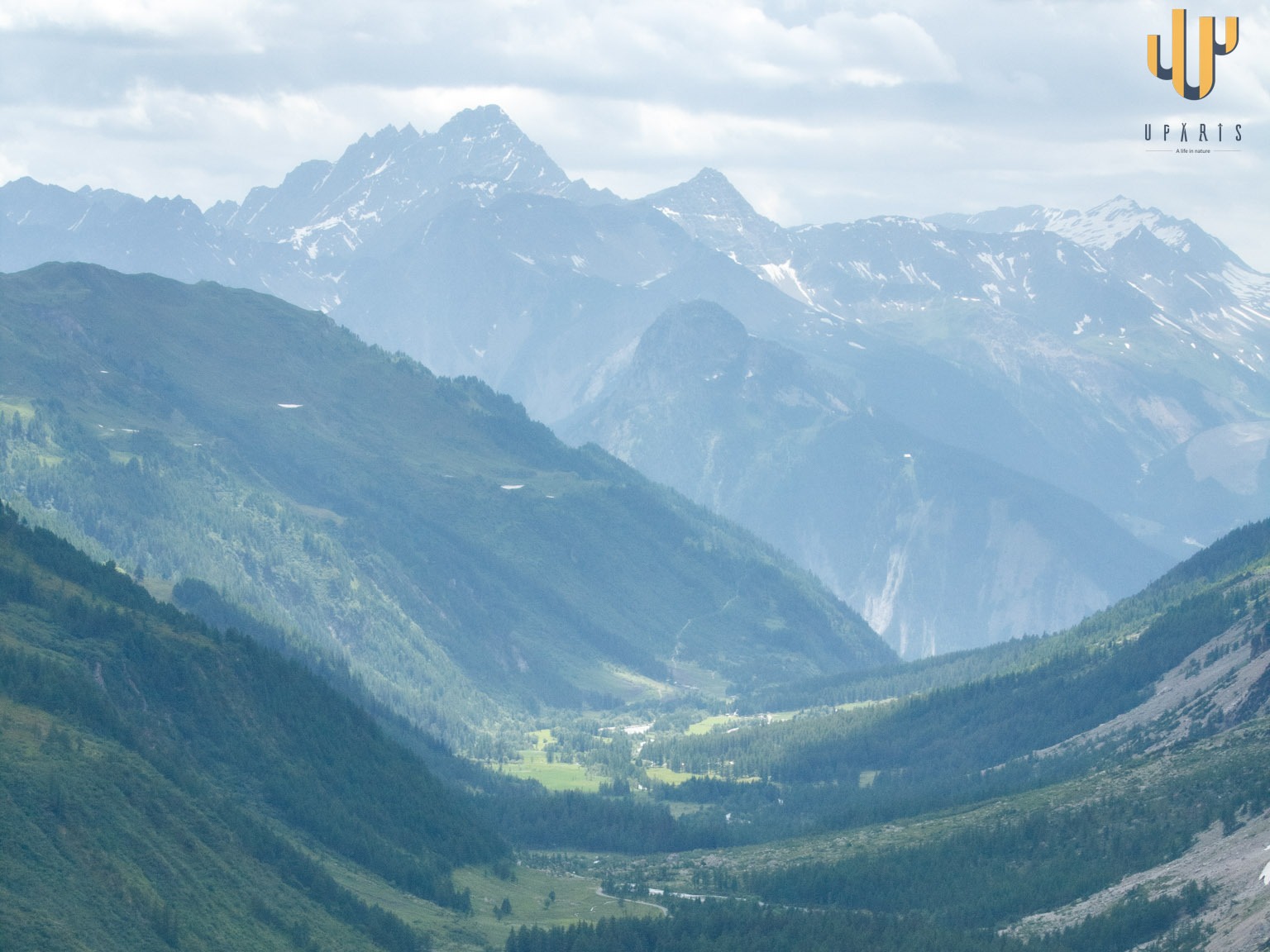
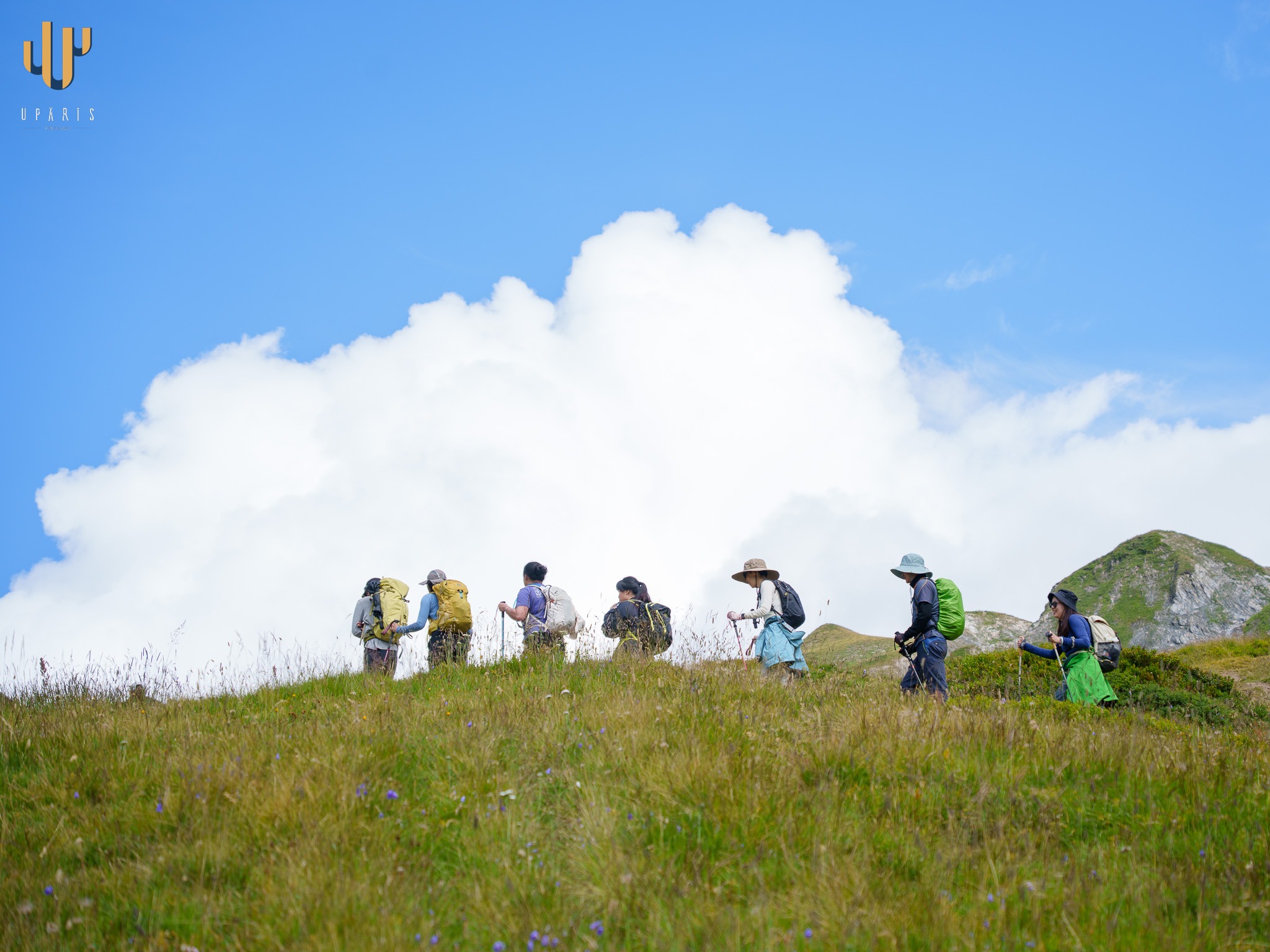
After breakfast a private transfer takes us to Arp Nouva (alt. 1770m) at the head of the Val Ferret, where we start walking; along the way there is a chance to see rare alpine plants such as edelweiss, martagon lilies and campion.
Past the Rifugio Elena (alt. 2062m) we climb to the border stone on the Col du Grand Ferret (alt. 2537m), with Italy behind us and Switzerland ahead. From here we can take in the Glacier du Pré de Bar, the majestic Grandes Jorasses (alt. 4208m) in the distance and Mont Dolent (alt. 3823m), where France, Italy and Switzerland meet.
After lunch we descend past the La Peule pastures (alt. 2071m) and the hamlet of Ferret (alt. 1699m) to La Fouly (alt. 1595m). A private transfer then takes us to the small Swiss town of Orsières (alt. 887m), where dinner is served at the hotel.
Terrain: Alpine meadow + scree + ridge path
Arp Nouva – Col du Grand Ferret – La Fouly
After breakfast a private transfer takes us to Arp Nouva (alt. 1770m) at the head of the Val Ferret, where we start walking; along the way there is a chance to see rare alpine plants such as edelweiss, martagon lilies and campion.
Past the Rifugio Elena (alt. 2062m) we climb to the border stone on the Col du Grand Ferret (alt. 2537m), with Italy behind us and Switzerland ahead. From here we can take in the Glacier du Pré de Bar, the majestic Grandes Jorasses (alt. 4208m) in the distance and Mont Dolent (alt. 3823m), where France, Italy and Switzerland meet.
After lunch we descend past the La Peule pastures (alt. 2071m) and the hamlet of Ferret (alt. 1699m) to La Fouly (alt. 1595m). A private transfer then takes us to the small Swiss town of Orsières (alt. 887m), where dinner is served at the hotel.
La Fouly – Praz-de-Fort – Champex-Lac
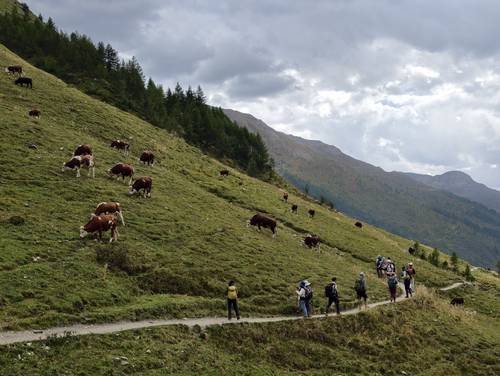
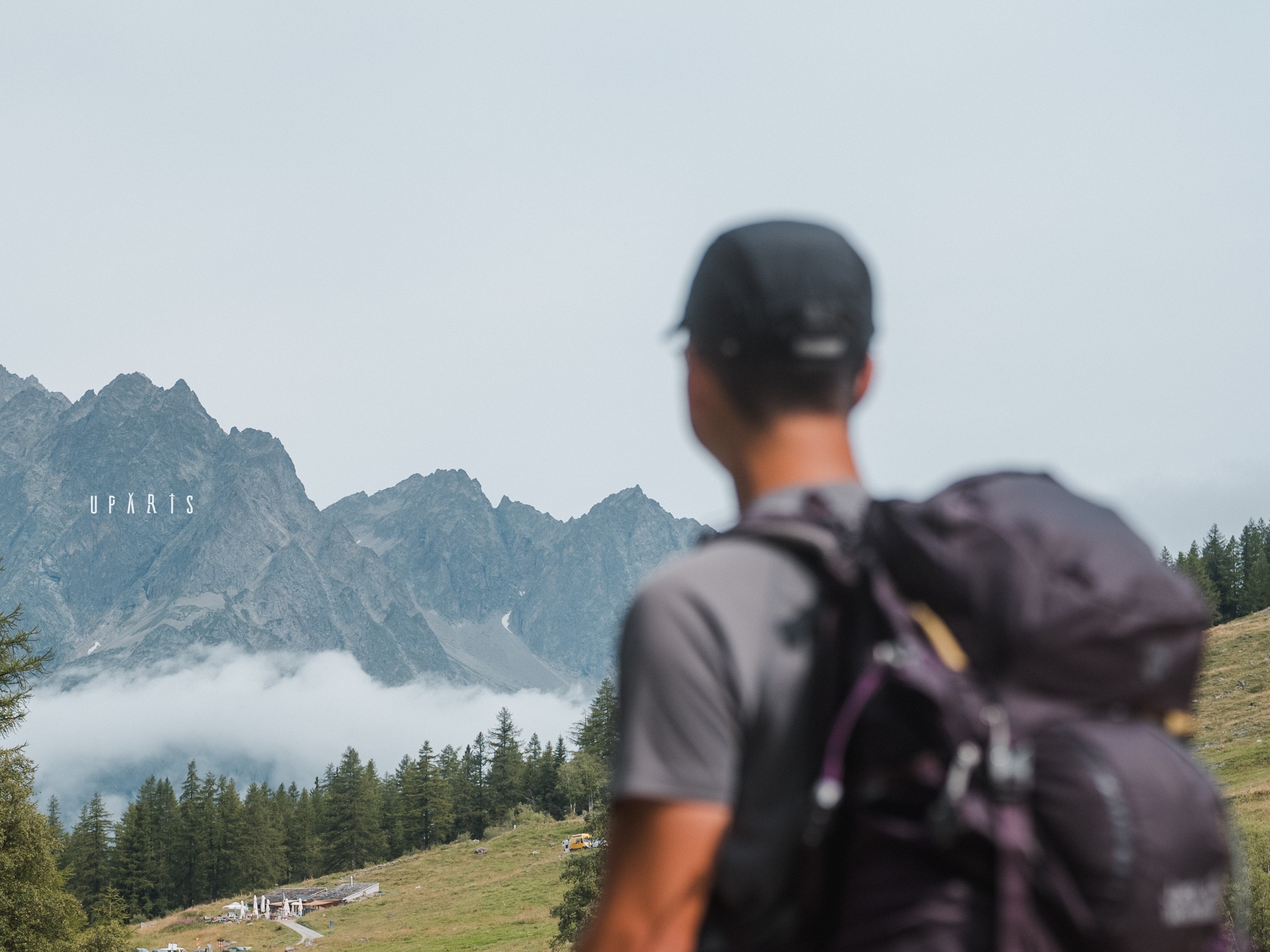
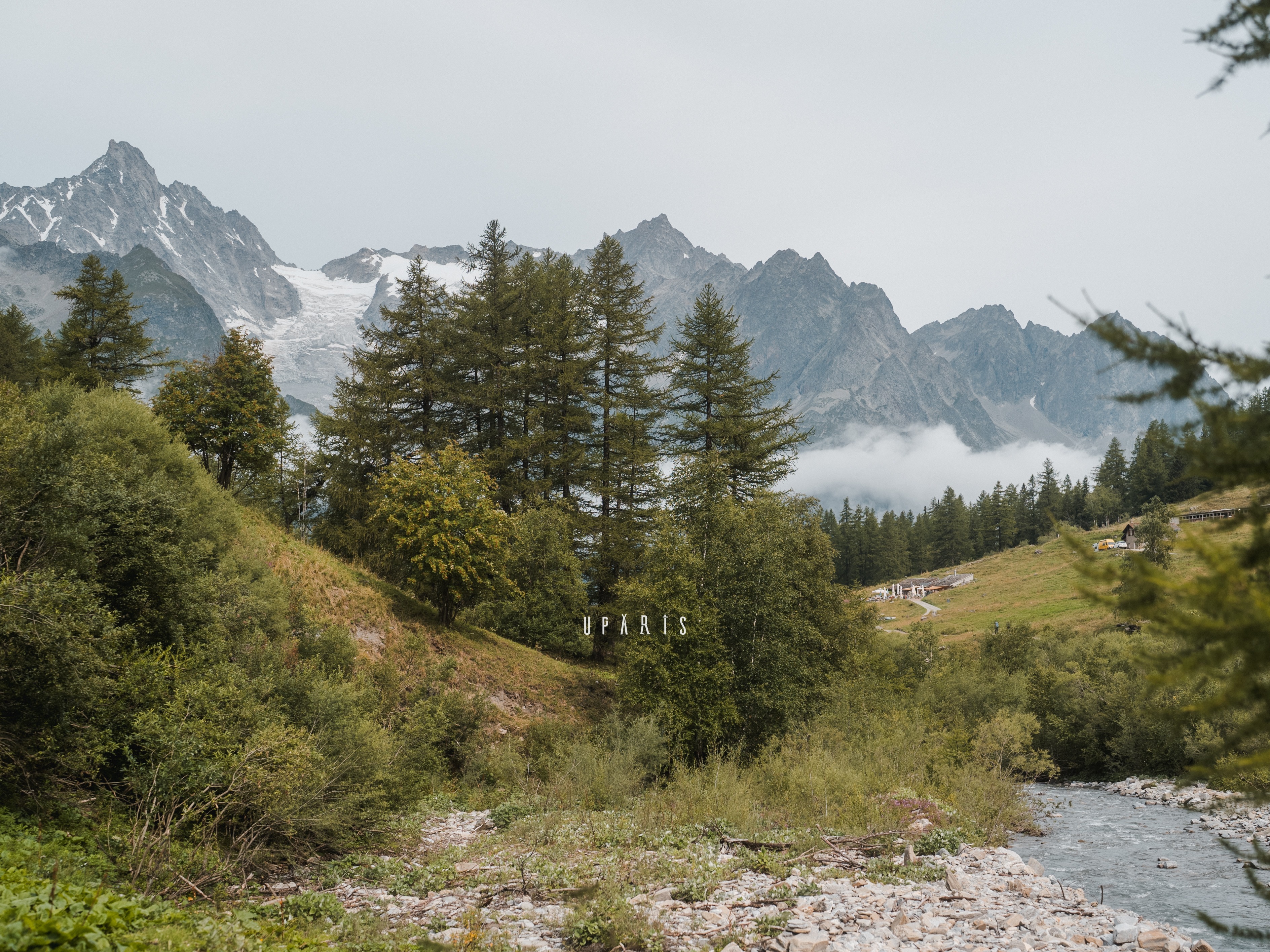
After breakfast a private transfer takes us back to La Fouly (alt. 1595m), and we follow the Val Ferret downstream. The path winds between cool fir woods and open fields, cowbells echo through the valley, and we cross the rushing Dranse de Ferret several times.
At Praz-de-Fort (alt. 1151m) we walk among boulders and moraines left by the retreating glacier; looking up, you can see the Glacier de Saleinaz deep in the valley, whose meltwater feeds the torrent of the Reuse de Saleinaz. Next comes Issert (alt. 1055m), where old chalets and modern holiday homes sit side by side in idyllic countryside.
In the afternoon we climb the Sentier des Champignons through quiet woods, past ancient moraines and hidden Swiss army shelters, to Champex-Lac (alt. 1470m), a peaceful lakeside village like a jewel in the heart of the Alps. A private transfer then takes us back to Orsières.
Terrain: Forest + riverside path + gravel track
La Fouly – Praz-de-Fort – Champex-Lac
After breakfast a private transfer takes us back to La Fouly (alt. 1595m), and we follow the Val Ferret downstream. The path winds between cool fir woods and open fields, cowbells echo through the valley, and we cross the rushing Dranse de Ferret several times.
At Praz-de-Fort (alt. 1151m) we walk among boulders and moraines left by the retreating glacier; looking up, you can see the Glacier de Saleinaz deep in the valley, whose meltwater feeds the torrent of the Reuse de Saleinaz. Next comes Issert (alt. 1055m), where old chalets and modern holiday homes sit side by side in idyllic countryside.
In the afternoon we climb the Sentier des Champignons through quiet woods, past ancient moraines and hidden Swiss army shelters, to Champex-Lac (alt. 1470m), a peaceful lakeside village like a jewel in the heart of the Alps. A private transfer then takes us back to Orsières.
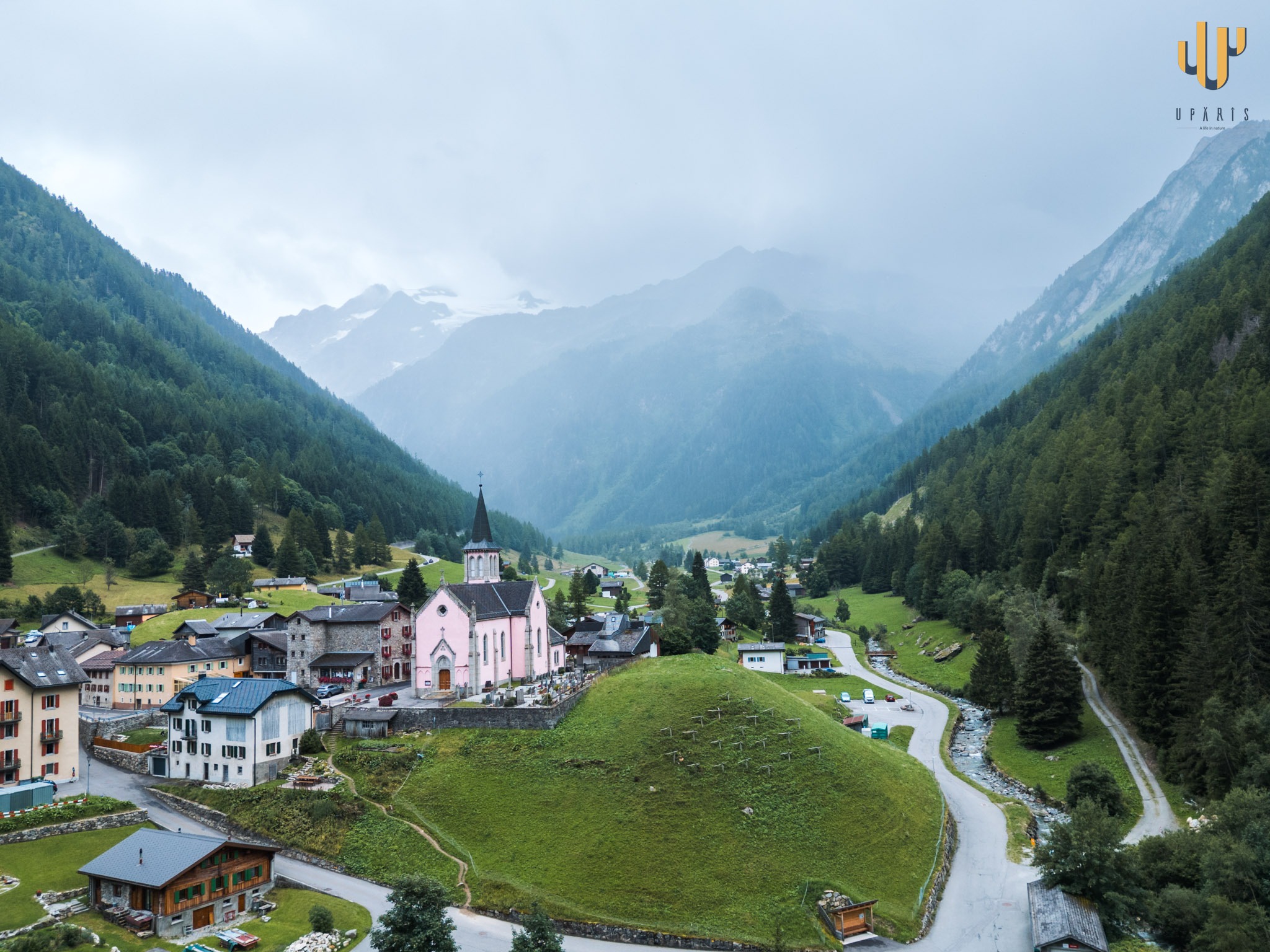
Champex-Lac – Bovine – Trient
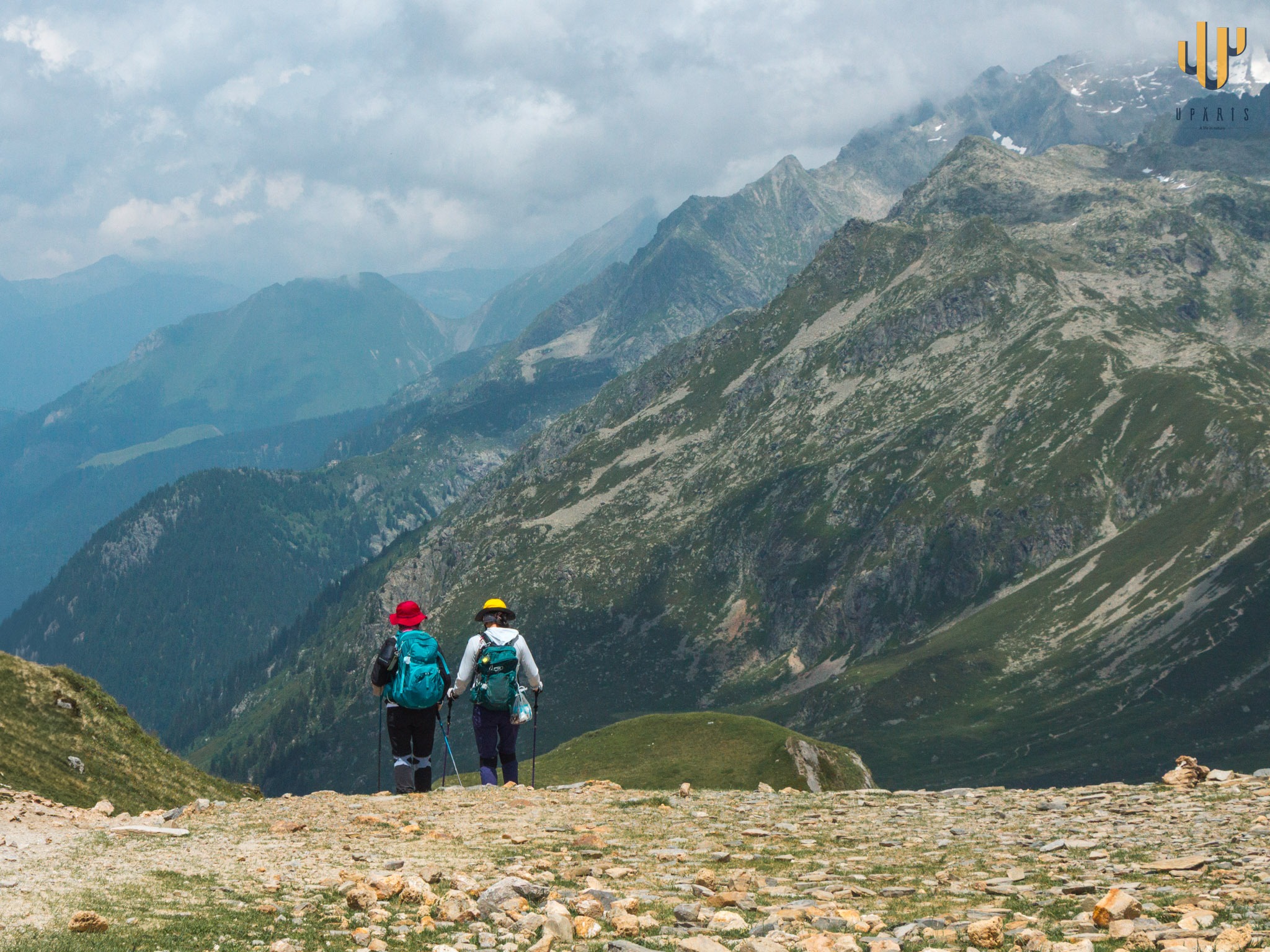
After breakfast a private transfer takes us to Champex-Lac (alt. 1470m). We set off along the lakeside and pass through a stretch of forest once flattened by an avalanche: the sturdy trees were snapped by the snow, but fresh green shoots have grown back, a moving sign of nature's vitality and resilience.
We climb to near the highest point of the day (about alt. 2049m) and reach the Bovine alpine pasture (alt. 1974m). Halfway up the slope stands an old chalet with smoke curling from the chimney and the smell of good food, and the pasture has a terrace restaurant with superb views. Looking down on Martigny (alt. 471m) in the Swiss valley is like seeing a painting from above.
We then descend to the Col de la Forclaz (alt. 1526m) and follow a winding forest path to the village of Trient (alt. 1300m) with its famous pink church. A private transfer takes us on to Martigny, where dinner is served at the hotel.
Terrain: Forest + alpine meadow + gravel track
Champex-Lac – Bovine – Trient
After breakfast a private transfer takes us to Champex-Lac (alt. 1470m). We set off along the lakeside and pass through a stretch of forest once flattened by an avalanche: the sturdy trees were snapped by the snow, but fresh green shoots have grown back, a moving sign of nature's vitality and resilience.
We climb to near the highest point of the day (about alt. 2049m) and reach the Bovine alpine pasture (alt. 1974m). Halfway up the slope stands an old chalet with smoke curling from the chimney and the smell of good food, and the pasture has a terrace restaurant with superb views. Looking down on Martigny (alt. 471m) in the Swiss valley is like seeing a painting from above.
We then descend to the Col de la Forclaz (alt. 1526m) and follow a winding forest path to the village of Trient (alt. 1300m) with its famous pink church. A private transfer takes us on to Martigny, where dinner is served at the hotel.
Trient – Col de Balme – Le Buet
After breakfast a private transfer takes us back to the village of Trient (alt. 1300m) with its famous pink church, where we start walking.
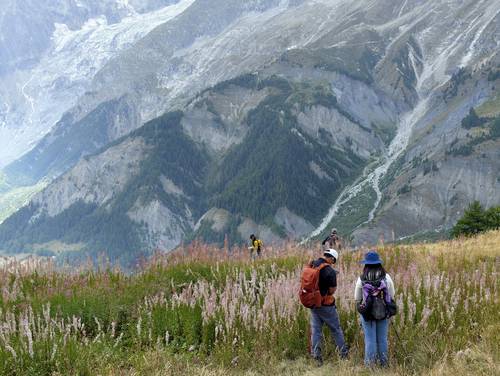
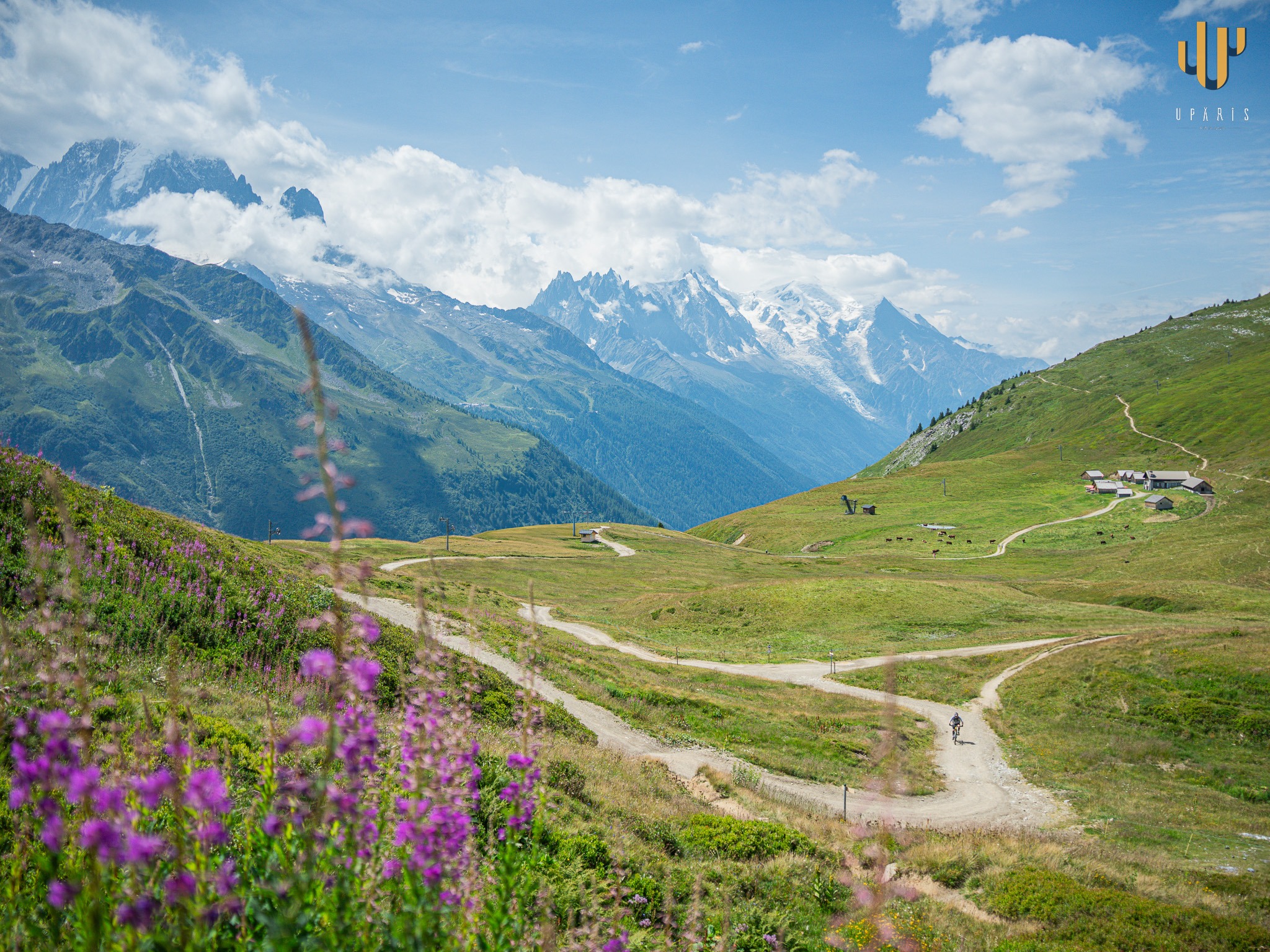
We climb gently along forest paths and Swiss alpine pastures, the green slopes dotted with colourful wildflowers in a true Swiss pastoral scene, to the Col de Balme (alt. 2191m) on the border between Switzerland and France: behind us the calm Swiss mountains, ahead the romantic French landscape, with Mont Blanc (alt. 4808m) and the Glacier du Tour unfolding in front of us.
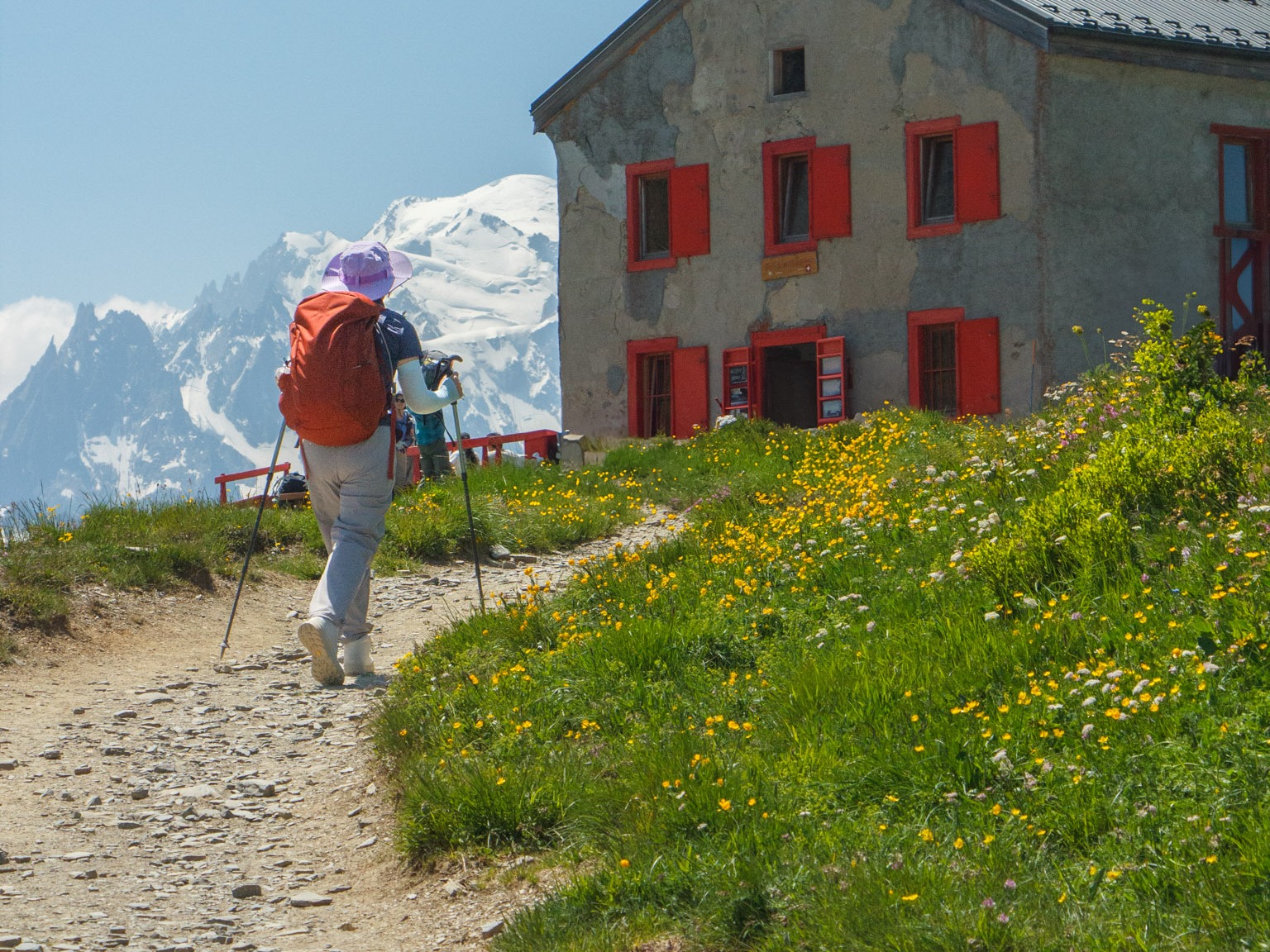
After lunch we descend via the Col des Posettes (alt. 1997m), a quiet and beautiful path with wide views over the Chamonix valley, to Le Buet (alt. 1340m), where we stay at a mountain hut in Vallorcine (alt. 1256m), with dinner served at the hut.
Terrain: Forest + alpine meadow + gravel track
Trient – Col de Balme – Le Buet
After breakfast a private transfer takes us back to the village of Trient (alt. 1300m) with its famous pink church, where we start walking.
We climb gently along forest paths and Swiss alpine pastures, the green slopes dotted with colourful wildflowers in a true Swiss pastoral scene, to the Col de Balme (alt. 2191m) on the border between Switzerland and France: behind us the calm Swiss mountains, ahead the romantic French landscape, with Mont Blanc (alt. 4808m) and the Glacier du Tour unfolding in front of us.
After lunch we descend via the Col des Posettes (alt. 1997m), a quiet and beautiful path with wide views over the Chamonix valley, to Le Buet (alt. 1340m), where we stay at a mountain hut in Vallorcine (alt. 1256m), with dinner served at the hut.
Le Buet – Lac Blanc – La Flégère – Chamonix
After breakfast we leave the mountain hut on foot, with no transfer needed, and follow the valley path to Montroc (alt. 1382m), where the climb begins.
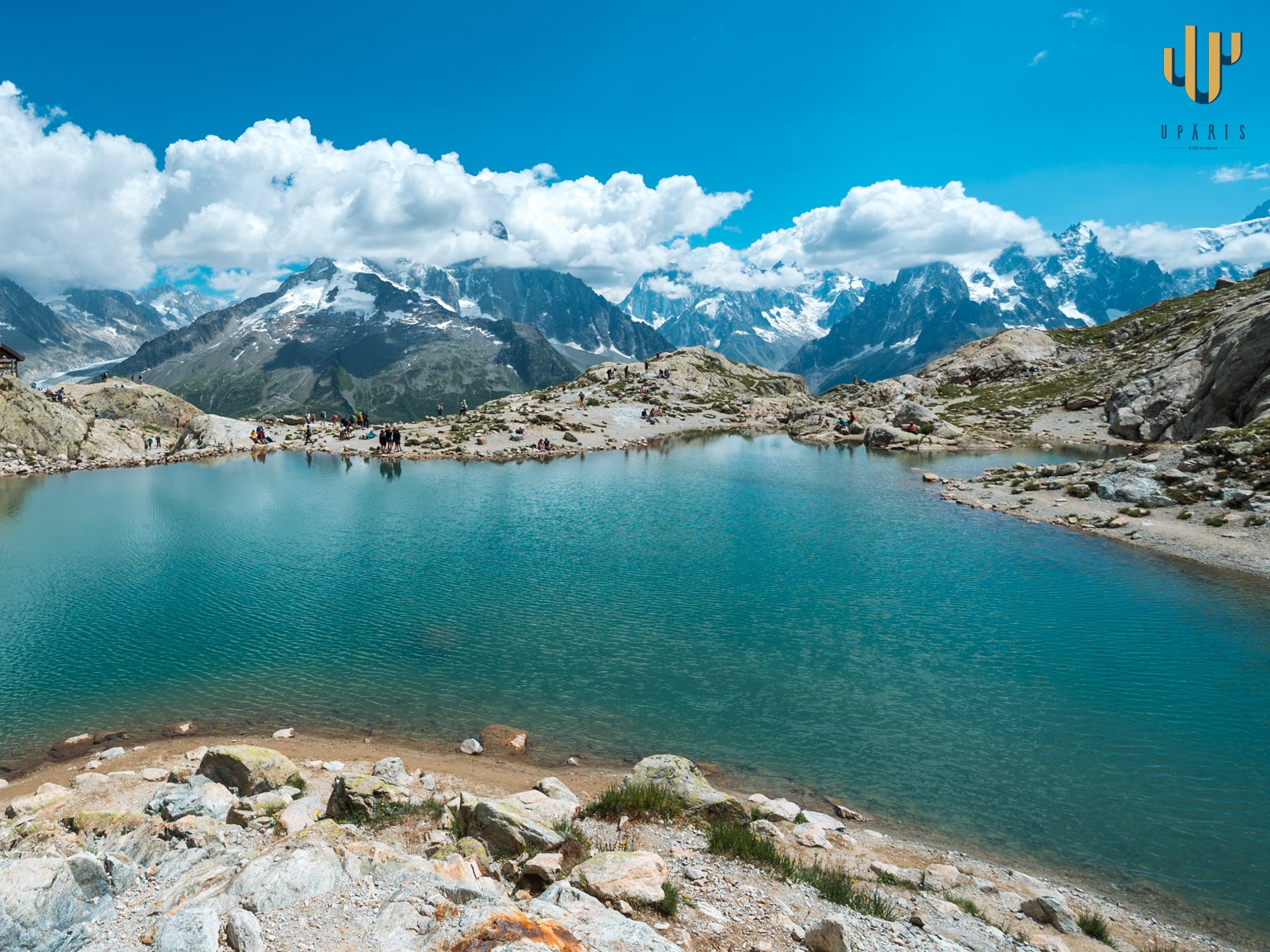
A hillside path takes us up to the famous Lac Blanc³ (alt. 2352m), the postcard view of the Alps and a must-see. From here you can admire the full panorama of Mont Blanc (alt. 4808m), the Mer de Glace (alt. 1913m) and famous Alpine peaks such as the Grandes Jorasses (alt. 4208m) and the Aiguille du Midi (alt. 3842m).
After lunch we follow the hillside path to La Flégère (alt. 1877m) and take the Flégère cable car⁴ down to Les Praz (alt. 1060m), then the Mont-Blanc Express train or the bus back to Chamonix (alt. 1035m) and our hotel.
Our Complete Tour du Mont Blanc challenge is done! Tonight, why not choose a restaurant you like in Chamonix and raise a glass with your fellow walkers.
Terrain: Forest + gravel track + hillside path
Le Buet – Lac Blanc – La Flégère – Chamonix
After breakfast we leave the mountain hut on foot, with no transfer needed, and follow the valley path to Montroc (alt. 1382m), where the climb begins.
A hillside path takes us up to the famous Lac Blanc³ (alt. 2352m), the postcard view of the Alps and a must-see. From here you can admire the full panorama of Mont Blanc (alt. 4808m), the Mer de Glace (alt. 1913m) and famous Alpine peaks such as the Grandes Jorasses (alt. 4208m) and the Aiguille du Midi (alt. 3842m).
After lunch we follow the hillside path to La Flégère (alt. 1877m) and take the Flégère cable car⁴ down to Les Praz (alt. 1060m), then the Mont-Blanc Express train or the bus back to Chamonix (alt. 1035m) and our hotel.
Our Complete Tour du Mont Blanc challenge is done! Tonight, why not choose a restaurant you like in Chamonix and raise a glass with your fellow walkers.
Departure and journey home
Departure day: after breakfast the group disperses and everyone is free to go.
If you have plenty of time, you might consider the following activities, at your own expense:
- Aiguille du Midi cable car: ride the cable car up to the Aiguille du Midi (alt. 3842m) for a spectacular panorama of the Mont Blanc massif. You come close to the grandeur of Western Europe's highest peak and can enjoy a 360-degree panorama of the Alps from the viewing platform. You can also try the glass viewing platform known as "Step into the Void" (Pas dans le Vide): standing on its transparent glass floor, with a thousand-metre abyss beneath your feet and the splendour of the Alps all around, you get the thrill of floating above the high mountains.
- Mer de Glace rack railway: take the historic Mer de Glace rack railway to the viewpoint over the Mer de Glace (alt. 1913m). Enjoy the beauty of the Chamonix (alt. 1035m) valley on the way; at the terminus you can not only look down on the magnificent glacier but also go inside the ice cave and see for yourself the wonders shaped by the glacier over countless ages.
- Paragliding in the Alps: feel the thrill of flying above the snowy peaks, glaciers and forests of the Alps, looking down on majestic mountains and natural scenery.
- Thermal spa among the snowy peaks: at the foot of the mountains in Chamonix lies QC Terme, a spa paradise ringed by snowy peaks. From the outdoor infinity pool you can take in the splendid views of the Aiguille du Midi and Mont Blanc, with the quiet beauty of the Glacier des Bossons behind you.
Frequently asked questions
Which country's visa do I need?
Customers holding a passport or valid residence permit of a European Union country or territory, a United States, Canadian, Singaporean or Malaysian passport, or Hong Kong, Macao and Taiwan (China) passports may enter France, Italy and Switzerland without a visa: you only need to buy a flight to Geneva Airport (airport code: GVA) to begin your Tour du Mont Blanc trip.
For customers who need to apply for a Schengen visa (for example, holders of a mainland China passport), we strongly recommend applying for the Schengen visa as early as possible (the application can be submitted at the earliest 6 months before the start of the trip) and obtaining a valid Schengen visa more than 75 days before the start of the trip; we particularly recommend applying for a French Schengen visa, to ensure smooth entry.
Once you have signed up and paid in full online, the organiser will provide customers who need to apply for a Schengen visa with an official French-language itinerary and letter of invitation for this trip, to help the visa application go more smoothly.
What kind of insurance do I need?
We sell no insurance and the trip price includes none.
Each traveller must take out their own travel insurance covering the whole trip and meeting at least the minimum legal or regulatory requirements of the destination. For example, for a traveller who needs a Schengen visa: travel medical insurance of at least €30,000, valid throughout the Schengen area, covering repatriation for medical reasons, urgent medical care, emergency hospital treatment and death.
We also recommend cover suited to mountain activities (search and rescue, including helicopter rescue), as well as cancellation, assistance and personal liability insurance.
If you rely on the insurance that comes with your bank card, check with your bank or its insurer that the cover meets these minimum requirements, and note the emergency number.
Please give your insurer, policy number and emergency number in the pre-departure questionnaire, so the guide can help you reach them if needed.
See Article 15 of the General Terms and Conditions of Sale.
How difficult is the Tour du Mont Blanc?
This trail has been tried and tested over many years: rescue services, paths, waymarking and facilities are all very well developed. It is of moderate difficulty and suits most people; mountain hiking nevertheless carries inherent risks, so please follow the guide's arrangements.
Complete beginners are advised to consider taking part in the light of their own physical condition. Many past participants who had never done a long-distance trek of this kind followed about 2 to 3 months of regular, moderate-intensity training walks around their home city, challenged themselves and completed the whole route successfully. Building up your fitness in advance is very important: it lets you walk with ease during the trip and also enjoy the uplifting scenery and take photos to remember it by.
Our trips are joined almost exclusively by Chinese participants from all over the world, so you will not find yourself in the situation that arises when walking in a group with European and American hikers, where they are already over the top while we are still halfway up the slope, left far behind.
Our team of guides has more than ten years' experience, knows the Mont Blanc trails thoroughly and understands the pace and habits of Chinese participants. Rest stops are scheduled at regular intervals and, safety permitting, the guide will also thoughtfully allow reasonable time for photos, so that every participant can enjoy the trek to the full.
Why hike with a light pack?
Trekking with a full pack sounds cool, but participants need not only very good fitness but also plenty of outdoor experience to deal with all the complicated situations that may arise. It usually means carrying all your gear and supplies, which can be too gruelling for the ordinary hiking enthusiast.
Hiking with a light pack, by contrast, makes a trek far less difficult and suits a much wider range of hikers, beginners in particular. Reducing the weight on your back lessens the impact on the knees and other joints and makes it easier to enjoy the scenery along the way, so that walking and sightseeing go hand in hand.
To let participants enjoy the walking with greater ease, our trips include a dedicated luggage transfer service for your duffel bag. You simply hand over your duffel bag early in the morning, and we take care of delivering it safely to that day's accommodation. On the trail you carry only the essentials, such as the day's lunch and water, which greatly reduces the weight on your back and makes hiking a relaxed and pleasant experience.
How does the luggage transfer for the duffel bag work?
Our trips come with a dedicated luggage transfer service for your duffel bag: hand it over early in the morning and collect it in the afternoon at that night's accommodation. On the trail you only need to carry essentials such as the day's lunch and water, and can walk at ease.
You must pack all your belongings into two bags: a small rucksack to carry with you and a duffel bag for the luggage transfer (either a duffel bag or a large rucksack will do).
- Rucksack: a hiking rucksack of about 30 litres, convenient for carrying your personal items during the day's walk.
- Duffel bag for the luggage transfer (either a duffel bag or a large rucksack will do): everything else goes in here; it is carried by a dedicated vehicle to the accommodation where you stay each night, so that you can get at it after each day's walk.
Special notes on the duffel bag: please note that the duffel bag is carried by the logistics vehicle stage by stage, all the way to the place where the trek ends. Your spare items should go in one duffel bag (either a duffel bag or a large rucksack will do) weighing no more than 15 kilograms and no more than 85 centimetres at its longest; if the bag does not comply with the rules, the driver will refuse to carry it, and the customer bears the consequences.
How does suitcase storage work?
We offer a suitcase storage service, starting from your accommodation on the morning of Day 2; the stored suitcase is delivered to your accommodation for that night before 6 pm on Day 10.
On the Complete Tour du Mont Blanc, each person may store 1 suitcase free of charge; if you need to store more, please contact customer service in advance.
Maximum size of a stored suitcase: the sum of its length, width and height must not exceed 158 centimetres or 62 inches, and its weight must not exceed 23kg, in line with the checked-baggage standard for international flights.
What is the mountain hut like?
On D9 we stay at a mountain hut at Le Buet, Vallorcine (alt. 1256m), in 4-bed rooms: one bed each, shared with members of the group, with breakfast and dinner included.
The hut is warm and simple in style; rooms are relatively compact and there may be no lift. Leave your duffel bag in the luggage room and take into the room only what you need for the night.
The other 9 nights are in double rooms in hotels.
How are the 4-bed rooms allocated?
The mountain hut on D9 has 4-bed rooms. We allocate rooms by gender as a priority; whether a room is mixed depends on the ratio of men to women in the group on each departure.
What are the hotels like?
The 9 hotel nights are in Les Houches, Saint-Gervais, the Bourg-Saint-Maurice area, Courmayeur (2 nights), Orsières in Switzerland (2 nights), Martigny and Chamonix: 3 nights in 3-star hotels (Les Houches, the Bourg-Saint-Maurice area, Martigny), 3 nights in 2-star hotels (Saint-Gervais, Orsières) and 3 nights in 4-star hotels (Courmayeur, Chamonix).
Double room as standard: the trip price is based on two adults sharing one room; hotel double rooms are set up with twin beds by default; in a twin room each bed is about 90 cm wide.
Converted traditional buildings: most of the hotels are upgraded historic buildings; the rooms are relatively compact, and the experience centres on cleanliness, tidiness, warmth and comfort.
Environmental policy: in keeping with European environmental principles, most hotels do not provide disposable toiletries (toothbrush, toothpaste, slippers, etc.); please bring your own.
Sockets and charging: sockets are generally of the European standard, with no Type-C/USB direct-charging ports; we recommend bringing an international travel adapter and an extension lead, convenient for charging several devices.
What about lunch?
We do not provide lunch for the whole group, for a very simple reason: so that you eat fresher, more comfortable and better-quality food.
Trips that offer "apparently all-inclusive value" cannot transport fresh food in a cold chain, so they usually hand out instant pasta, tinned salad or fruit that has sat for days in the heat: a strong processed taste, a poor texture and questionable food safety.
You deserve a better choice.
We want every one of your lunches to be a memorable part of the journey: order a hot local dish at a mountain hut, looking out over snowy peaks and meadows; or buy the food you like on the day, or order a picnic box the evening before and collect it the next day, to eat by a lake or on a grassy slope, sharing your meal with nature.
This arrangement is fresh, flexible and light, at a cost of about €15 per meal, and lets you truly experience the essence of hiking in the Alps: freedom, authenticity and the pleasure of eating in the company of nature.
The Complete Tour du Mont Blanc includes 3 dinners (D6, D8, D9), served where you stay that night; on the other evenings dinner is at your own expense, at the hotel or a restaurant nearby.
What safety rules should I follow on the trek?
Hiking in the Alps is a challenge that calls for self-discipline and team spirit. To ensure safety and a smooth trip, you must observe the following principles:
- Follow the guide's instructions for safe progress: our professional guide will adjust the route and walking pace flexibly according to the participants' physical condition, changes in the weather and the terrain, without affecting the overall itinerary. All participants must strictly follow the guide's arrangements, including the use of equipment, the order of the group and departure times. Where needed, the guide will teach practical techniques such as how to use trekking poles and how to adjust your pace uphill and downhill, helping you to move more efficiently while staying safe.
- Move as a team, no leaving the group alone: on the Tour du Mont Blanc, the safety of the team is the first principle. On the trail, all members must stay together; leaving the group without permission or going off alone is forbidden. The team takes the pace of its slowest member as the pace of the whole group, and the guide will pay particular attention to slower participants and do their best to help every member reach the destination safely.
- Safety decisions and emergency adjustments: when something unexpected arises, such as heavy rain, thick fog, a thunderstorm or the group falling clearly behind schedule, the guide will make a professional assessment based on the situation at the time and has the right to alter or shorten the route in order to protect everyone's safety. If an individual member's lack of fitness seriously affects the itinerary, the guide may require that member to drop out of part of the route for the time being and travel to the next stop with the help of the luggage transfer vehicle; such additional costs are borne by the individual.
- Respect and team spirit: a trek in the Alps is a shared walk between people and nature, and between one person and another. Please treat your fellow participants with respect, tolerance and support, and keep up a good atmosphere in the team. Please understand that the guide's job is to ensure safety and coordination, not to act as a personal assistant or private attendant.
- Physical and mental preparation: before departure, please assess your own physical condition thoroughly and train in advance for endurance and for carrying a load, so as to get used to the rhythm of walking day after day and on slopes. Good fitness and a positive attitude are the key to completing the TMB safely.
What gear do I need to prepare?
- Clothing: waterproof hardshell jacket, technical T-shirts, waterproof trousers, fleece / light down jacket, convertible hiking trousers, sports underwear, hiking socks
- Footwear / other: mid- or high-cut hiking boots, slippers, sunglasses, sun hat / warm hat, warm / sun-protection gloves, crampons (essential for hiking in June), rain poncho
- Toiletries: quick-dry towel, shower gel / shampoo / soap / toothbrush and toothpaste (mountain huts and most hotels do not provide toiletries), lip balm, sun cream, after-sun cream / face mask
- Personal first-aid kit: the medication you need every day, painkillers, anti-inflammatories, stomach medicine, plasters, blister plasters, elastic bandage, insect repellent spray, etc.
- Other essentials: rucksack (30L), dry bag, trekking poles, soft duffel bag for the luggage transfer, earplugs, knee supports, universal travel adapter, anti-chafing protection for the feet (such as Compeed), hairdryer, portable kettle
Specific advice on buying gear and other such information will be shared in the group chat after you sign up.
What is the most beautiful season on the Tour du Mont Blanc?
Mid-June to early July is the beginning of spring in the Alps. Around Mont Blanc the ice and snow gradually melt and the spring flowers vie with one another to bloom, the green mountain grass setting off the remaining white snow. There may still be snow on sections at 2,000 metres, so light crampons need to be carried and a certain level of fitness is required. Hiking at this time has a charm all of its own: the Alpine spring in limited edition.
From mid-July to August, at the height of summer, colourful flowers bloom all over the mountains, while Mont Blanc remains clad in gleaming white snow. The wild blueberries in the valleys ripen, a wonderful treat for hikers to taste. In the sunshine the age-old glaciers sparkle and shine among the mountains. The weather is relatively stable during this period, which makes it the season hikers favour most.
In the autumn, which begins in September, the mountains start to take on their many-coloured autumn tints, while the distant snowy peaks and glaciers still stand out. The autumn grass gradually turns yellow, dotted with flowering autumn crocuses; in the golden sunlight the valleys put on their splendid autumn dress and the scenery around Mont Blanc is especially enchanting. This is the best time to admire the distinctive autumn landscape of the Alps.
How are the photos taken during the trip used?
On some trips the trip leader or the UPARIS team may take photos or videos. When a photographer comes along, we share a selection with the participants free of charge after the trip, through a download link or a private album, for their personal use (terms of sale 17.2).
We use photos or videos in which you can be recognised for promotion (website, social media, brochures…) only with your prior consent: you may tick the box for it when you book, or leave it unticked — refusing has no effect on your trip (terms of sale 17.3).
You can withdraw your consent at any time from your account or by writing to contact@uparis.org, and ask us to delete the content concerning you (terms of sale 17.5).
Weather Forecast
Accommodation
- 9 nights in hotels, 1 night in a mountain hut
- 5 nights in France, 3 nights in Switzerland, 2 nights in Italy
Price details
Price includes:
- Accommodation as stated in the itinerary for D1–D10 (9 nights in double rooms in hotels: 3 nights 3-star, 3 nights 2-star, 3 nights 4-star; 1 night in a 4-bed room in a mountain hut in Vallorcine)
- 10 breakfasts
- 3 dinners (D6, D8 and D9)
- D2 Prarion gondola ride up
- D3 and D4 private transfers in France
- D4, D5 and D6 private transfers in Italy
- D6, D7, D8 and D9 private transfers in Switzerland
- D10 Flégère cable car ride down (when running), and the Mont-Blanc Express train / bus back to Chamonix
- And the transport costs mentioned in the itinerary that arise from changes of accommodation
- 1 French state-certified mountain leader
- Luggage transfer service for the duffel bag (1 duffel bag of up to 15kg per person; if the duffel bag is overweight, the driver will refuse to carry it, and the customer bears the consequences)
- Suitcase storage (1 suitcase per person free of charge, up to 23 kg)
Price does not include:
- Geneva Airport transfers (travel to the meeting point and from the end point is at your own expense)
- Each participant's transport between their place of residence and Les Houches (meeting point) / Chamonix (end point)
- Each participant's personal hiking gear
- Each participant's travel visa fees
- Each participant's travel insurance
- Lunches during the trip (you can eat in at a mountain hut with fine views along the trail, or order a picnic box where you stay the night before; about €15 per meal)
- Dinners on D1, D2, D3, D4, D5, D7 and D10
- Personal alcoholic and soft drinks with meals
- Aiguille du Midi cable car ticket and other free-time activities in Chamonix (Aiguille du Midi, paragliding, thermal spa, etc.)
- Tip for the guide (not compulsory; suggested amount €50 per person for the whole trip)
- Storage of additional suitcases (each person may store 1 free of charge; if you need to store more, please contact customer service in advance)
- Additional vehicle transfers needed if a participant gives up walking part-way for personal reasons (optional, at your own expense, €50 per person per leg)
- Accommodation on the Complete Tour du Mont Blanc is based on two people sharing a room (D9 is a 4-bed room). If you sign up alone we will do our best to pair you with a roommate of the same sex; if this is not possible, a single supplement must be paid
- Any other item not stated as included, and other personal expenses
- Additional costs caused by force majeure (such as natural disasters, epidemics, war, strikes, visa refusal or delay, flight delay or cancellation, etc.).
- Chinese interpreting (not included in this trip)
Booking conditions
Cancellation conditions
Fees kept if the client cancels, by the date of the request (current schedule, Terms of sale, art. 10):
- 76 days or more before departure: Full refund
- 41 to 75 days before departure: 70% cancellation fee
- 40 days or less before departure: No refund
If you cancel, invitation letter fees (30€ per letter issued) are not refunded; they are refunded if we cancel the trip or if you terminate the contract under Article 10.7 of the terms of sale because of exceptional and unavoidable circumstances.
Exceptional and unavoidable circumstances must meet all three of the following conditions: (1) they occur in the trip's activity area or its immediate vicinity; (2) they significantly affect the performance of the trip or transport to that area; (3) they are beyond the control of the party invoking them and could not have been avoided even if all reasonable measures had been taken. Reasons personal to the customer (such as health, visa, personal flights or changes of schedule) are not such circumstances.
Terms of saleStandard information form (package travel)
The legal form about your rights for package travel, to read before booking.
Standard information form (package travel)General information
Before you sign up
Up to 14 travellers per group; Age requirement: 15 to 65 Applicants over 60 must confirm that they are in good physical condition; Minors under 18 must travel accompanied by a legal or authorised guardian and may not sign up on their own. Information required: when signing up, please be sure to provide accurate and complete personal details (name, sex, date of birth, contact details, etc.). Health requirements: participants should be in good physical condition and able to cope with the physical effort of several consecutive days of hiking. We advise against signing up in the following cases, including but not limited to: serious cardiovascular or cerebrovascular disease, pulmonary oedema, epilepsy, severe depression, recovery from major surgery, pregnancy, reduced mobility, or any other case in which a doctor advises against long-distance hiking. This is a fixed-group trekking product. To protect the experience and safety of your fellow participants, please tell us of your own accord, and truthfully, about your state of health before departure. Please conceal nothing; if an accident results from doing so, the responsibility is your own. If incorrect information supplied by you causes a booking error or disrupts the trip, the responsibility is your own. The travel agency is entitled, on the basis of its assessment of an applicant's health and of safety considerations, to recommend adjustments or to refuse participation.